The Data Alchemy of Co-Marketing Initiatives

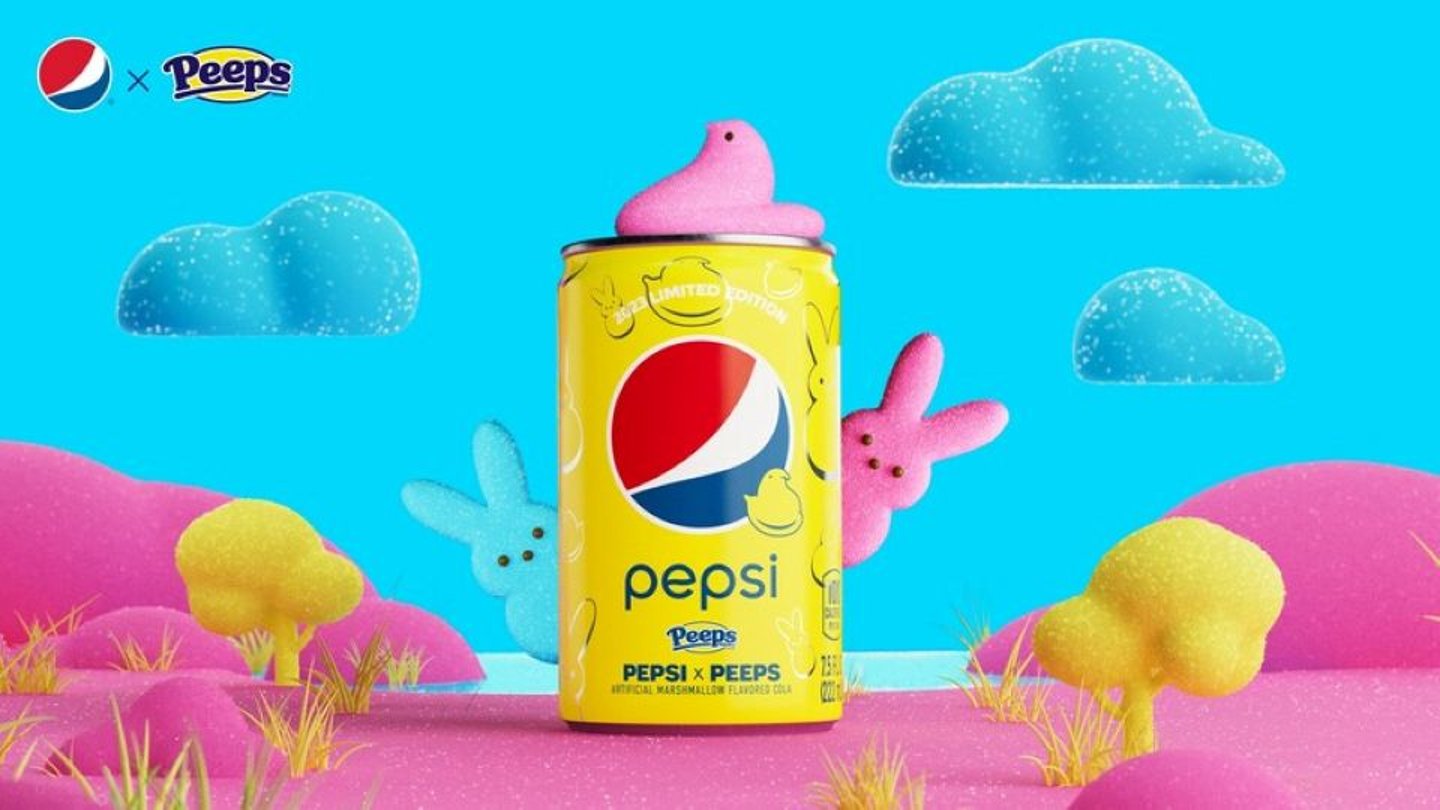
When consumers start to see double on the shelves — two well-known brands coming together for a product mashup — the innovation is often met with excitement and curiosity.
Chris Lowrey, brand director at Our Home, tells CGT that the company has seen meaningful enthusiasm from media and social communities in response to a recent co-branded launch featuring its Pop Secret brand.
According to PepsiCo, brand collaborations have emerged as a powerful modern marketing tool. "Collaborating with another brand can enhance reach and awareness, target a new or specific consumer segment and drive social media engagement," the company states on its PepsiCo Partners site.
It's an especially effective strategy to capture the elusive Gen Z consumer.
"Brand collaborations hold strong appeal to Gen Z, a highly coveted demographic for beverage sales. Gen Zers love it when a brand stands out from the pack in an authentic, innovative or humorous way," according to PepsiCo.
But what goes on behind the scenes when companies decide to jump on a timely trend together with a cross-branded product? And how can they ensure it's not just a costly marketing flop?
The modern process harkens back to the study of alchemy, which married science and philosophy.
CPGs such as PepsiCo, Hormel and Our Home are combining technology and social cues to reformulate recipes, refine packaging and bring together advanced data practices that identify areas of opportunities and develop a roadmap for cross-brand product development and promotions.
Reaction Chambers: Collaborative Formulas in the Field
PepsiCo is just one of the major brands with a long history of co-marketing innovations. Since 2021, it has launched products such as a marshmallow-themed drink with Peeps; a Cracker Jack product that marries Pepsi cola with caramel, popcorn and peanut flavors; and a limited release with IHOP for a breakfast-inspired flavor: Pepsi Maple Syrup Cola.
The company says that while it can be risky for a brand to step outside of its established identity, consumers generally respond with both their praise and their pocketbooks as long as it’s done in good faith.
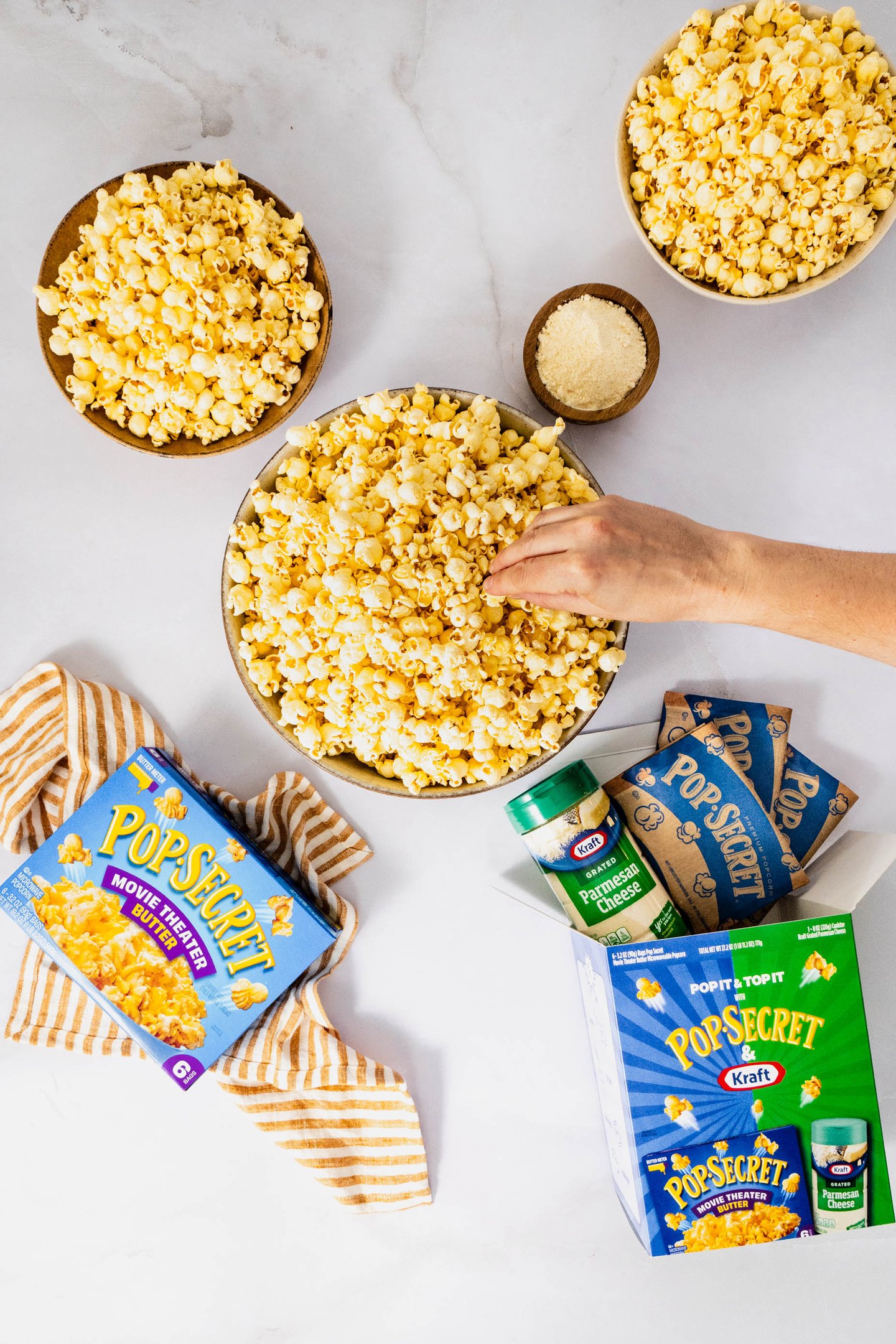
Our Home recently launched its first brand mashup since acquiring Pop Secret popcorn after identifying an opportunity to amplify an existing trend with the Kraft Natural Cheese team.
"This collaboration grew out of a clear consumer insight around folks topping their popcorn with different delicious toppings (like Kraft Parm). Retail search trends, usage‑occasion data and social listening all highlighted cheese‑topped popcorn as an organically emerging behavior," says Lowrey.
The launch generated strong consumer engagement, especially across Amazon, according to Lowrey.
"The response validated our belief that there is significant consumer appetite for playful, unexpected brand pairings in the snacking space."
Also, Hormel Foods recently worked with the Milk Bar brand to develop a Skippy Peanut Butter Crunch Bar pie. The relationship came about when Hormel realized that Milk Bar was already using the peanut butter brand in its baked goods, providing both brands with the opportunity to tap into consumer interest in shareable, texture-rich desserts.
Hormel leaned into consumer behavior around the holiday season, as people were baking together, exchanging gifts and hosting cookie swaps.
"Rather than creating something entirely new, we aligned around amplifying what already worked, leveraging the Skippy brand to elevate awareness and drive incremental reach," Patrick Horbas, director of marketing for Skippy, tells CGT. "We’re seeing strong engagement across media and social channels from fans of both brands."
The Raw Data Behind the Magic
Without strong data practices, these collaborations would simply fall flat.
The limited-edition Pop Secret release relied heavily on advanced analytics. Our Home's Lowrey says the company combined structured insights with cultural trend awareness, tracking shifts in consumption patterns, flavor interests and category adjacencies.
"At the same time, our team stays close to what's happening in food culture and across all things consumer goods. This blend of quantitative tools and real‑time trend intuition helps us identify collaborations that feel both timely and relevant," he adds.
But how do companies go about sharing these insights without unveiling proprietary information and coming up against strict consumer privacy regulations?
Data clean rooms are the cornerstone of cross-brand collaborations, according to Lokesh Ohri, Americas consulting consumer products sector leader at Ernst & Young. They play [well] with privacy rules and share much less information between companies, instead using the system and machine learning to infer insights.
"This is what makes this industry or the entire consumer retail value chain work. I think as technology evolves, it gives us more opportunity to collaborate with the right guardrails around privacy, consumer data, zero party, first party, third party, whatever it might be," says Ohri.
This is specifically done by masking the zero- and first-party data, turning it into synthetic data. The point is not to get specific information on individual consumers, according to Ohri, but to identify themes from the personas to develop new innovations and products that resonate.
As the tech landscape evolves, the competitive advantage is less about collecting the data and more about how to filter it. With agentic capabilities coming around, this will lead to automated trend scouts, moving away from sensing for the right signal and going beyond predicting to instead test the microtrends that will work for an organization, he says.
The Golden Ratio: Harmonizing Internal and External Success
Co-marketing efforts often require intensive ingredient formulation work to bring together distinct flavors from each brand while ensuring a cohesive, pleasant experience for the end product.
NotCo AI is one company working with brands to automate reformulation efforts using AI, which can expedite efforts when R&D teams have to meet in the middle for a cross-brand product.
"Traditional formulation often feels like finding a needle in a haystack, with CPG failure rates hovering around 70% to 80% due to the sheer volume of bench trials required," Alisia Heath, NotCo's VP of R&D, tells CGT.
Through AI modeling of complex ingredient interactions, formulation efforts can be refined from numerous broad experiments to a focused set of high-probability prototypes, she adds.
AI can also play a pivotal role in consumer trialing. Through tools like synthetic consumer panels and digital twins, companies can use historical sensory data to predict how specific demographics will respond to a formulation.
Also: PepsiCo accelerates product development with 3D digital twin tech
Data clean rooms play a role here as well as formulation data is among the most sensitive IP a food company has, says Heath. So in collaborations, that means the AI can predict successful flavor combinations without information ever leaving the CPG's own isolated environment — their private cloud and dedicated infrastructure.
Within co-marketing, the external packaging can have as big an impact on sales and consumer engagement as the flavor combination. According to James Harvey, chief product and technology officer at Dragonfly AI, the biggest risk in a mashup isn’t lack of attention, it’s miscommunication.
"When two iconic brands collide, the hierarchy must be deliberate so shoppers instantly understand what it is, who it’s from and why it’s worth choosing," Harvey tells CGT. "Tech helps teams test whether the design wins attention and whether the key cues are memorable and emotionally coherent, so the collaboration feels like one story, not two brands competing on the same pack."
Because limited-edition products don't have the luxury of a long brand-building timeline, the packaging is forced to work harder and faster to trigger action, he added. This is why predictive analytics can help aid in the design aspect, allowing creative analytics teams to move forward with packaging art that carries the right emotional tone and memory cues that will be captured even during quick mobile scrolling on TikTok or Amazon.
"By predicting not just attention but also what people are likely to remember and how the creative makes them feel, teams can choose stronger routes earlier and reduce the number of subjective rounds," says Harvey. "That combination — speed plus an unbiased signal — helps compressed cycles stay decisive rather than rushed."
Synergetic Elements: The Art of Balanced Reaction
It's clear that an analytics-focused approach works best for these types of partnerships.
Ohri says data clean rooms can provide the answers needed by partnering organizations, including "How do you find the next consumer segment that could buy my product?," "How do you find the next product that these consumer segments can buy?" and "How do I find the next marketing message that could relate to these for a product for this consumer segment?"
However, consumer goods companies must still carefully navigate their data and AI roadmaps to create pathways for collaboration while maintaining rigorous standards for privacy and proprietary information.
"Ultimately, the companies that figure out how to collaborate on methodology while keeping formulations proprietary will win, because AI models improve with more data, and pure walled gardens limit that potential," says NotCo's Heath.
It's a simple code of sharing without showing or without giving away, says Ohri.
"We can pick the right words … the rules prohibit people from showing and giving it away, but there's nothing wrong with sharing in a way that is within these guardrails," he adds. "And you can do it with all the right privacy and IP considerations. It's a win-win basically."