Consumers Struggle With Significant Jump in Grocery Prices
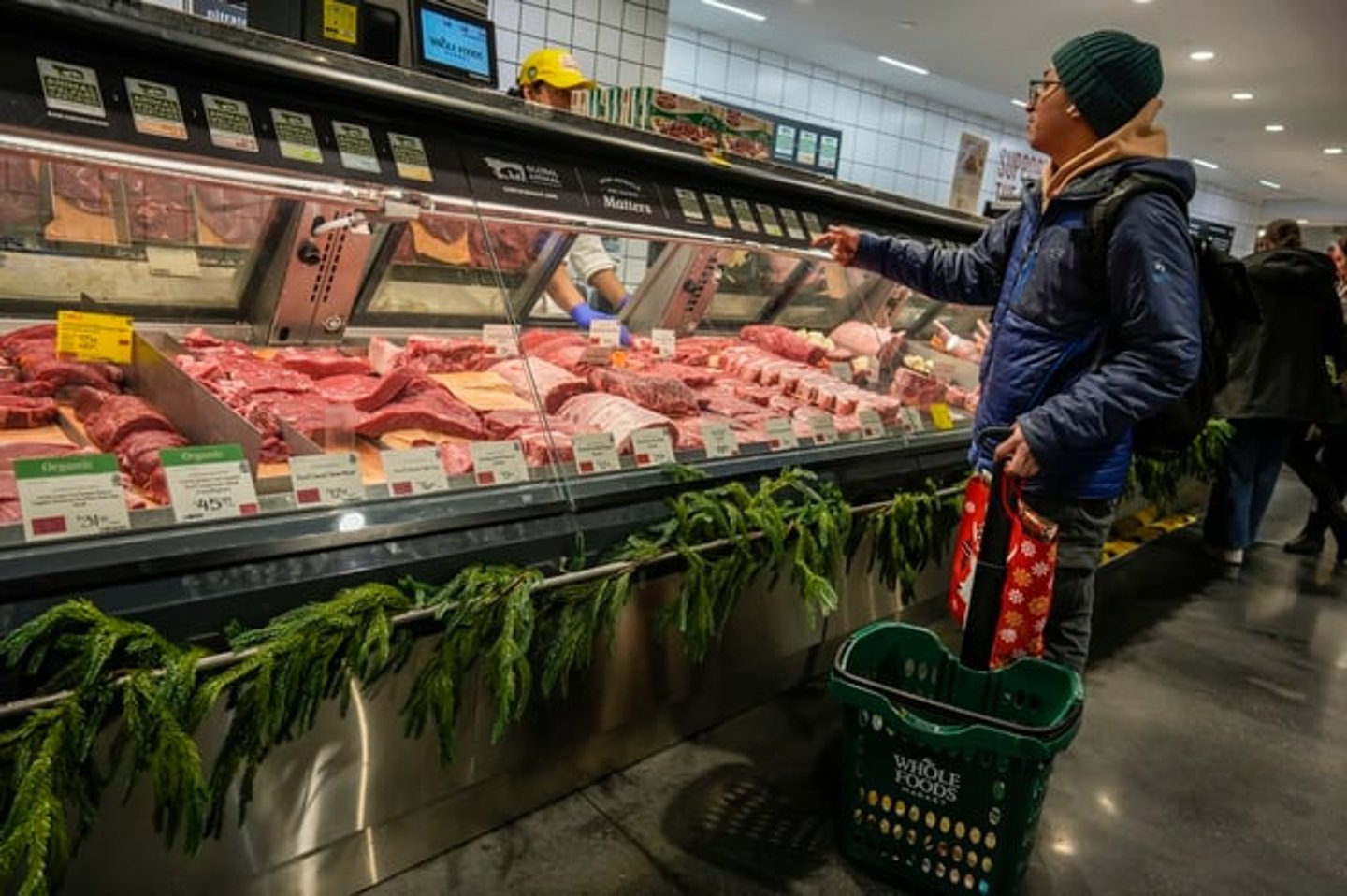
Last week, the Bureau of Labor Statistics (BLS) revealed that U.S. grocery prices rose 2.9% year over year (YoY) in April — the highest rate since 2023. Global shipping blockades and a massive spike in diesel fuel prices have introduced significant supply chain costs that affect everyday essentials consumers rely on most.
According to the agency’s latest Consumer Price Index (CPI) numbers, the fruits and vegetables index surged 6.1% over the last 12 months.
The next category that consumers are paying more for is nonalcoholic beverages, which rose 5.1% YoY.
Cereals and bakery products increased 2.6%, while meat, poultry, fish and egg prices rose 1.5% over the same period.
The index for other food at home rose 2.5% YoY.
In contrast, dairy and related product prices dipped 0.6% over the year.
For a monthly comparison, the CPI for food rose 0.5% in April after being unchanged in March – specifically, food at home rose 0.7%.
Prices for meat, poultry, fish and eggs increased 1.3% over the month as the index for beef jumped 2.7%. Fruits and vegetables rose 1.8% in April. Experts note that because diesel powers the majority of U.S. agricultural shipping, perishable goods – like fresh produce and meat – are seeing immediate cost pressures.
The prices for nonalcoholic beverages rose 1.1% last month, while dairy and related products ticked up 0.8%, and cereals and bakery products inched up 0.1% in April.
In contrast, the index for other food at home fell 0.4% in April after being unchanged in March.
Andy Harig, VP of tax, trade, sustainability and policy development at Arlington, Va.-based FMI – The Food Industry Association, said that the latest CPI numbers were expected given global events, but nonetheless posed new challenges for shoppers.
“Food production is energy-intensive, from the field to the shelf to the table. Recent instability and uncertainty in global energy markets are contributing to rising production costs across the food supply chain,” Harig explained. “[These] numbers reflect the reality that these dynamics are putting substantial cost pressures on the supply chain and therefore grocery prices.”
“Consumers feel battered every time they walk into a grocery store,” noted Sally Greenberg, CEO of the Washington D.C.-based National Consumers League (NCL). “Families are paying more for basics like meat, bread, beverages and produce, while wages simply are not keeping pace with the rising cost of living. For millions of Americans, grocery shopping is no longer routine — it’s financially stressful.”
NCL warns that rising food prices disproportionately harm working families, seniors on fixed incomes, and low-income households already burdened by higher housing, health care and child care costs.
“These [CPI] numbers are understandably frustrating for American families and grocers alike,” Harig added. “The food industry is doing everything we can to keep prices in check and support shoppers amid continued market uncertainties as they seek to get the most value out of their grocery dollar. We remain committed to working across the supply chain to manage cost pressures and ensure consumers continue to have access to a safe, affordable and abundant food supply.”
However, experts warn the full weight of shipping shocks will continue hitting supermarket shelves over the next few months, further straining household budgets nationwide.
This article first appeared on the site of sister brand Progressive Grocer.