Estée Lauder Partners With Google for AI-Enabled Scent Personalization Tool

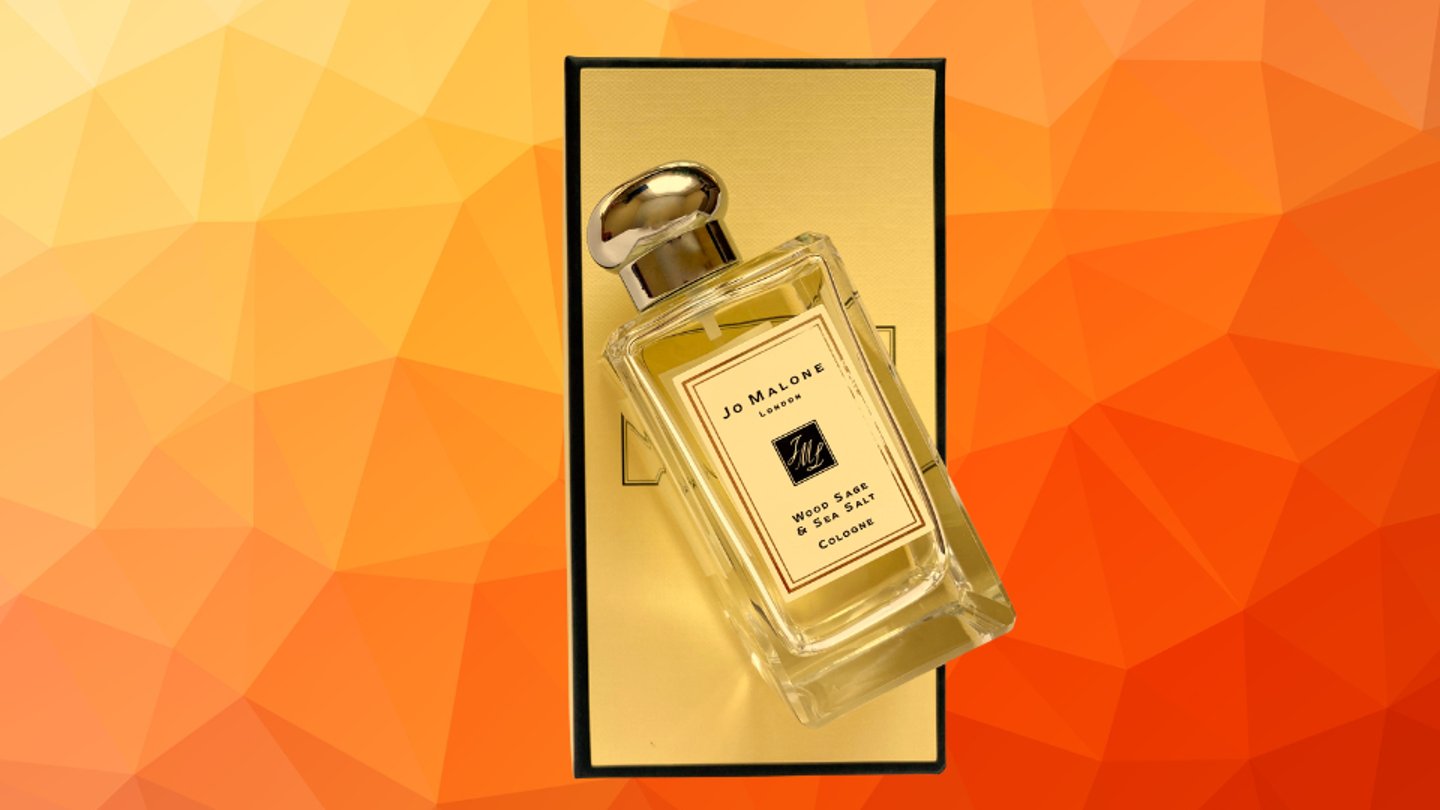
The Estée Lauder Cos. is diving deeper into AI-enabled personalization with the launch of Scent Advisor for its Jo Malone London brand.
The digital experience identifies consumers' preferred fragrance through a conversational discovery tool on JoMalone.com that taps into consumer insights and the company's data trove of scents, supported by Estée Lauder's AI and innovation teams.
Consumers describe the scent they are looking for, and the tool uses Google’s Gemini and Vertex AI platform to interpret natural language inputs and then match them with olfactory data attributes within the system.
The process is meant to mimic the in-store consultation experience in a digital setting.
“We are entering a new era of digital scent discovery where AI can bridge the gap between curiosity and confidence,” Jo Dancey, global brand president, Jo Malone London, said in a statement.
The State of Beauty AI and Personalization
CTO Brian Franz said the launch marks a pivotal step in the company's ongoing commitment to leveraging tech to elevate consumer experiences. “It reimagines what personalized digital experiences can feel like while unlocking deeper insights into our consumers and their preferences."
Jo Malone London also recently launched a Scent Layering tool and a TikTok fragrance filter as part of Estée Lauder's push toward digitally enabled personalization.
They are investments that align with beauty trends being seen across the industry.
Also: How Estée Lauder’s AI Agent ConsumerIQ consolidates data and streamlines R&D
In fact, Christophe Babule, VP and CFO for competing beauty company L'Oreal, recently said in an earnings call that in the U.S. — and more generally with Western brands — it's all about digital because everything starts with "the way you activate consumers."
It follows a trajectory over the next five years toward deeper integration between science and technology that enables more personalized beauty solutions, he said.
McKinsey & Co. stated that while consumers still prefer brick-and-mortar stores for discovery and purchase, and e-commerce for shopping and replenishment, there's an opportunity for beauty executives to focus on creating compelling omnichannel shopping experiences through technologies such as AI.
However, only 10% of beauty executives are using AI regularly, and 60% are still in an exploratory phase, according to a 2025 survey.
Tara James Taylor, senior VP beauty and personal care at NielsenIQ, said that due to the dynamics between innovation and tradition, affordability and luxury, sustainability and scalability, and personalization and inclusivity, "finding the right balance will be crucial for those aiming to thrive in the $1 trillion global beauty market.”