How Mars' Ramesh Kollepara Rethinks Infrastructure for Modern Intelligence Practices

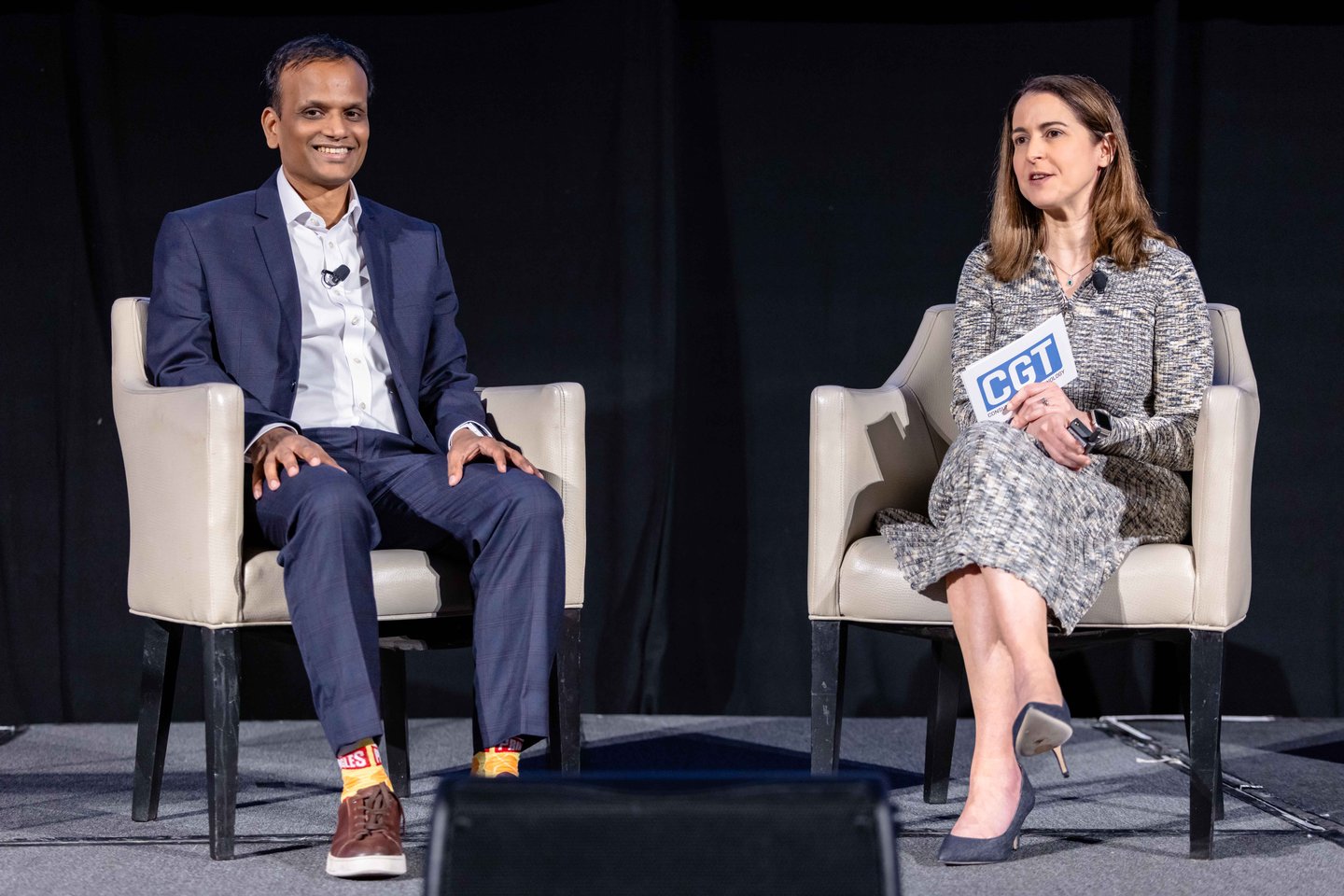
A few years ago, big infrastructure was about moving to the cloud, giving enterprises the velocity needed to drive growth in their organizations, according to Ramesh Kollepara, SVP, global CTO for Mars Snacking.
But something has fundamentally changed in the last 18 months, where intelligence has become its own infrastructure layer, and AI is no longer just a capability but an integral part of operations.
Winning in a Crowded AI-Enabled Landscape
During the closing keynote of Analytics Unite, held April 7-9 in Chicago, Ramesh shared that modern intelligence practices have drastically changed how fast organizations can make decisions, how they can collaborate internally and how well they can gather and analyze insights. They have transformed operational processes from reactive to proactive.
This has required a cultural shift, looking at AI as more of a team sport; rather than leaders becoming individual stakeholders of the tech, they are co-creators.
"If we put the intelligence in a siloed way, the adoption will be siloed," he said. This applies to measurement as well, where KPIs must now have a shared purpose or companies won't be able to refine value across their value chains.
Also: How Mars, Church & Dwight, PDC Brands and Lowe's build intelligent supply chains
With tech advancement comes increased pathways for modernization. Challenges arise when the technology is so democratized that everyone now has access to advanced AI models and hyperscalers, because then how do brands and retailers retain a competitive edge?
It's how organizations integrate their tools into their enterprises — the context of their data, brand standards, supplier reality — that is unique to each company. And when they can bring that together, that's where the real magic happens, said Kollepara.
Getting Ready for Agentic Applications
As companies shift into an agentic world where systems are constantly making decisions and taking action, governance needs to be dynamic, he emphasized. This is something that has to be a core part of the design and integration conversations or scalability will fail.
"Speed without governance is risk and governance without speed will create irrelevance," said Kollepara.
Regardless of agentic AI's potential, concerns over its ability to replace human work continue to run rampant. But Kollepara is not fazed. He said autonomy in technology is not about replacing; it's about elevating.
"Creativity, ethical judgement, understanding, empathy and the ability to ask the right question is only possible for humans. These are the abilities that get amplified," he added.
Overall, technology should never be the purpose, he said. "It should be the way you reach your purpose."