Closing the Execution Gap: The Growing Importance of Field Intelligence
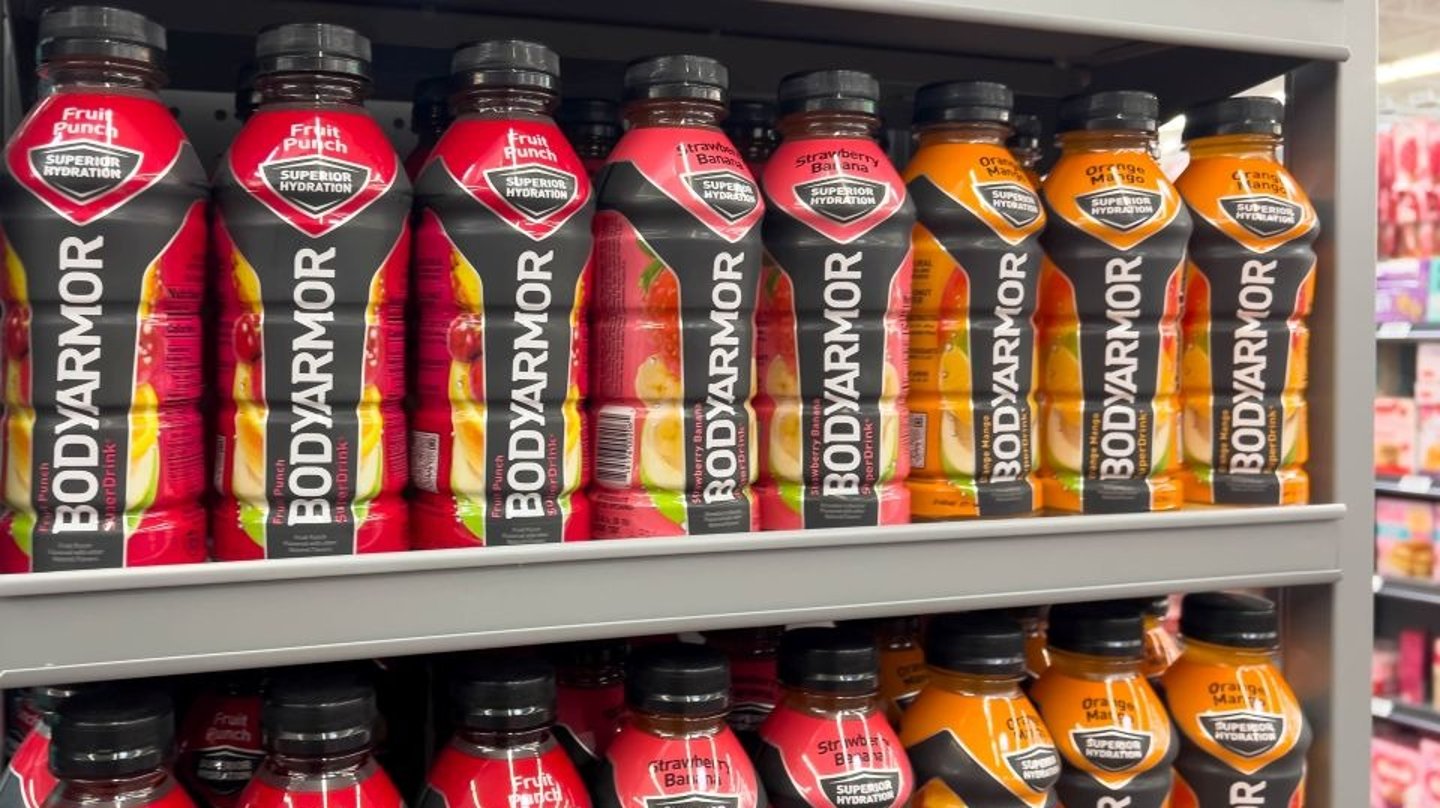
The hydration category has never been more crowded.
New brands are entering the market at a rapid clip, each fighting for the same shelf space, the same displays and the same access to store managers.
The In-Store Execution Gap
In the current retail environment, execution on the shelf is critical — yet 48% of CPG leaders say their programs aren’t executed as intended in-store, according to Salesforce.
The execution gap persists because store-level conditions are inherently variable and constantly changing, and even the most carefully designed strategy cannot fully account for that reality in advance. No marketing campaign, brand momentum or amount of consumer demand can overcome a product that simply isn’t on the shelf.
The Visibility Problem at the Store Level
At the store level, that gap most often shows up as a visibility problem. Every store operates differently. Staffing, backroom inventory, local priorities and retailer relationships all shape what’s possible on any given day.
Store managers operate with their own set of pressures — their own priorities, their own incentives and their own relationships with the brands competing for their attention. A national agreement negotiated at the buyer level doesn’t automatically translate to the store floor. Supply chain variability and lean backroom operations can compound the execution gap further.
The Human Element of Field Data
At its core, execution remains deeply human. The conventional view treats a field visit as a task: Check the shelf, fill the gap, move to the next account. But a rep walking store aisles is also monitoring competitive activity, identifying display opportunities, assessing backroom inventory and building a relationship with the store manager. Those observations are intelligence, whether or not a system exists to capture them.
Consistent, structured data from the field makes patterns visible that isolated store visits never could. A display that repeatedly fails to execute across multiple locations might point to a pricing issue, a fixture problem or a gap in retailer communication. Without structured data flowing back from the field, those causes are difficult to distinguish from one another.
With shelf intelligence and with a team that understands the brand and the category well enough to capture meaningful context during each store visit, patterns become readable. The right question stops being whether execution happened and starts being why it didn’t. That shift is where programs really start to see improvement.
Standardizing the Process to Manage Variability
Turning field observations into reliable intelligence requires another critical ingredient: process consistency. The way a rep enters a store, checks in with the store manager, walks the perimeter, assesses the backroom and prioritizes the visit needs to be standardized — not because every store is the same, but because they aren’t.
Also: How AG Barr is using real-time shelf intelligence to make smarter revenue decisions
A consistent process is what makes store-level variability manageable rather than muddled.
That standardization has limits, though. National agreements still require local execution. Every retailer operates differently, and every store within a chain carries its own constraints, relationships and priorities. The brands that close the execution gap most effectively are those that build enough process consistency to generate reliable data while leaving room for human judgment and relationship-building.
The Ultimate Test: The Micro-Moment at the Shelf
Consumers experience none of this complexity. They reach for a product and either find it, or they don’t. That moment — a fraction of a second at the shelf — is the sum of every planning decision, field visit, store relationship and corrective action that preceded it.
In a $40 billion global category like hydration, closing the execution gap requires treating field intelligence as a strategic asset. Put another way: What happens in the field should shape strategy just as much as what happens at headquarters. Better visibility leads to better execution, better execution generates better data, and better data sharpens the strategy. With every cycle, the gap gets smaller.
Emily Nash is the senior manager of retail productivity at Body Armor Sports Nutrition. Liam Davis is the strategic account director at FORM.