How AG Barr Is Using Real-Time Shelf Intelligence to Make Smarter Revenue Decisions
When an organization operates in an environment where it battles highly resourced competitors, optimizing efforts for field representatives becomes table stakes.
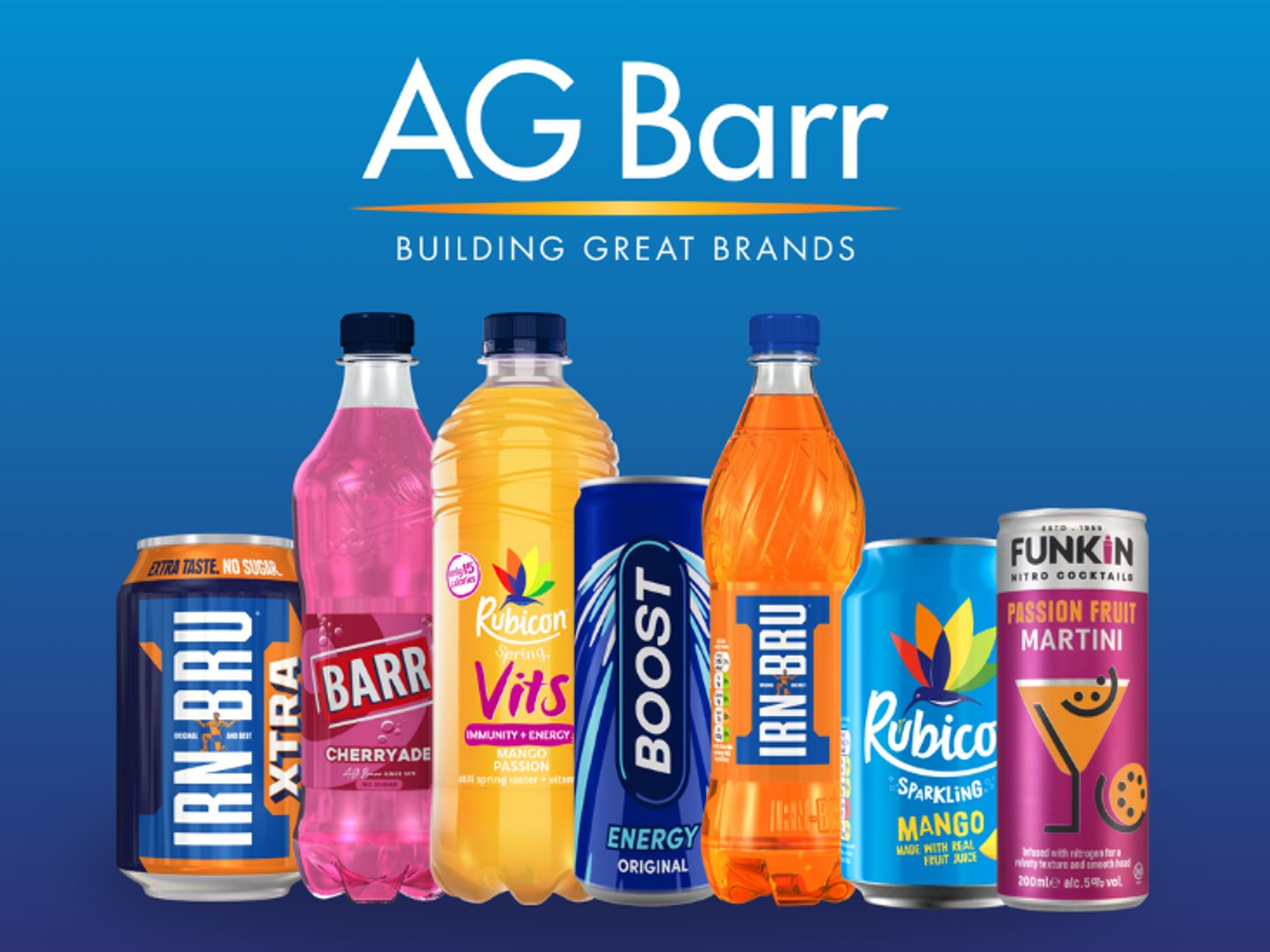
This is the position in which AG Barr, a 150-year-old soft and energy drink manufacturer based in Cumbernauld, Scotland, found itself.
AG Barr’s challenge was to make its field sales workforce more efficient, giving the employees additional time to deal directly with clients while removing time-consuming administrative tasks that did not build revenue.
This is where an AI-enabled sales app, Ava, came in. Designed by Aforza, it aimed to empower field employees to focus on the most important aspect of their daily tasks, increasing distribution, time with clients and sales.
Also: How the consumer goods industry is digitizing retail execution
Usman Hamid, AG Barr’s chief digital and technology officer, was looking for a tool that could be customized for the company's unique needs.
“We weren't buying a product off a shelf; we were co-developing a capability. And that's why it's sitting at the heart of the digital agenda rather than sitting in a corner of the sales function,” Hamid says.
The app pushed AG Barr away from traditional activity-based metrics toward outcome metrics, which shifts goals to distribution gains, execution compliance and revenue impact.
“What we've built changes how we run the commercial business,” says Hamid. “The visible layer is an app on a rep's phone. But underneath that is a different way of making decisions in the field, a different relationship between data and action, and a different standard for what a great customer visit looks like.”
Technology as a Force Multiplier
Before the implementation, a field rep would spend the first part of any store visit simply getting themselves up to date by manually pulling up the previous visit's data points.
These actions took up what Hamid described as a “meaningful chunk” of time (about 13 minutes) — time a rep could have spent selling instead of going toward housekeeping duties.
The app effectively eliminates this administrative downtime. Instead of doing the work themselves, reps are briefed before they even walk through the door.
Once a rep arrives on-site, the visit begins with a photograph of the shelf. Neurolabs’ image recognition reads it in seconds, and the app translates that data into a specific set of actions grounded in what's best for that customer.
“The time savings are significant per visit, and when you multiply that across the field force and across a full year of visits, the capacity that releases is material,” says Hamid. “Crucially, that time isn't going idle. It's being reinvested into selling activity, which is the point.”
However, while Hamid noted that saving time was the headline, it was not the company's reason for the implementation. Instead, he pointed out the true endgame was to:
- Gain distribution in the right accounts.
- Maintain execution standards visit after visit, not just at launch.
- Maximize the commercial opportunity in every store, which means ensuring AG Barr captures the full revenue potential in each account.
Hamid also notes that the tool enabled AG Barr to consolidate its CRM, retail execution and field data functions onto a single platform — one that makes it easy to integrate technologies such as AI across its systems.
“We're seeing meaningful progress across all three. The translation from those improvements into actual sales we weren't capturing before is the real story,” Hamid says. “The time-savings got us to the starting line. The field principles are how we measure whether we're actually winning.”
Measuring Success
While the most visible benefit has been on AG Barr’s field-level workforce, the app’s positive impact on the company’s bottom line is arguably more important.
The company assesses ROI through three lenses: adoption, revenue impact, and cost and efficiency.
For the app to be cost-effective, the field reps must use it daily.
“A capability that isn't being used every day isn't delivering any return,” Hamid points out. “That's the operational health check, and it has to be strong before anything else matters.”
The app has enabled field reps to deliver measurable improvements, boosting distribution and execution, both of which have led to incremental yet still meaningful enhancements in revenue.
“I won't put a precise number on it externally, but the direction and the signal are clear enough that it's shaping further investment decisions,” Hamid says.
Also: How Reckitt keeps retail execution timely and cost-efficient with AI
The third benchmark for success for AG Barr is cost savings, not necessarily from a strictly financial perspective, but perhaps more accurately measured in the time gained in the field by reps, which they can reinvest into customer-facing activity.
“For us, it's primarily a productivity story because the opportunity is in what those reps do with the time, not in reducing headcount,” Hamid says.
The Challenges Surrounding AI
While adoption has proven successful, the app’s AI component does raise a few new issues for AG Barr and any company that begins using artificial intelligence. Primarily, governance and responsible usage.
For Hamid, the core principle the company operates under is that the app might recommend, but a human decides.
“I think there's a tendency in the industry right now to treat responsible AI as a compliance exercise, a set of policies you write and a committee you stand up,” he says. “That's not sufficient. It has to be designed into the product from the beginning, which means making deliberate choices about where automation stops and human judgment takes over.”