Clorox Tests Social-First Commerce With TikTok Shops

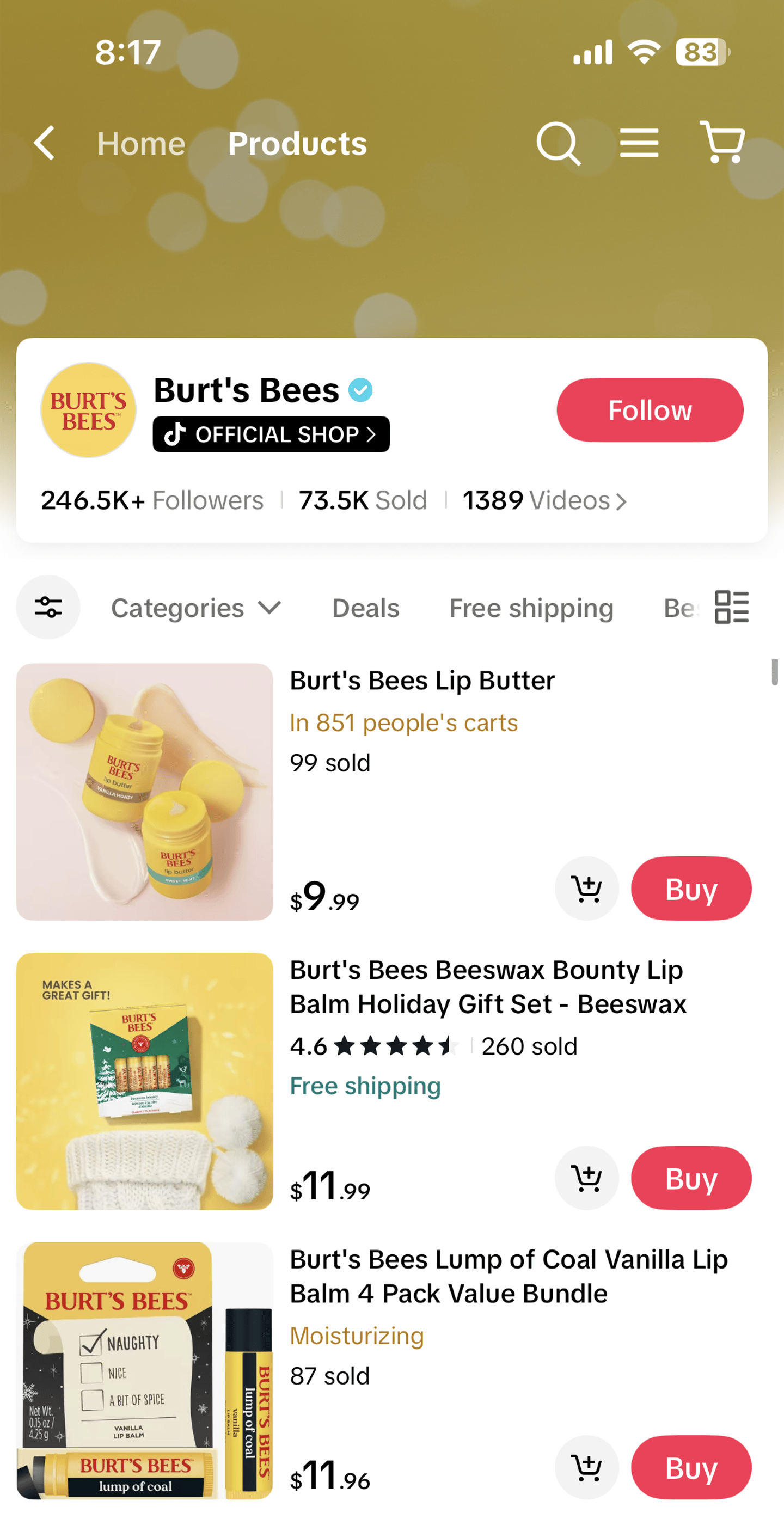
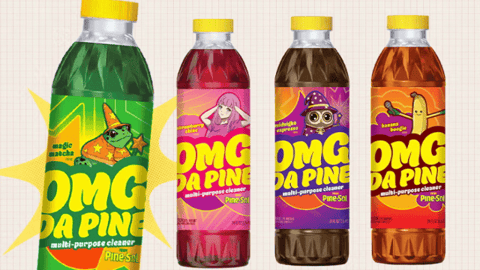
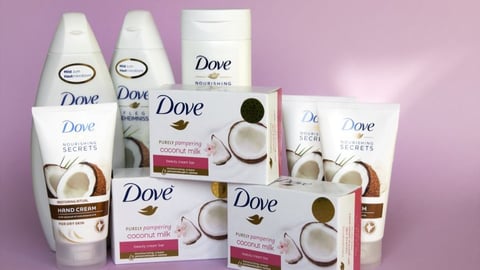
Some of The Clorox Co.’s legacy brands are taking the adage “adapt or die” to heart. In an effort to meet consumers where they are, Burt’s Bees, Brita, Pine-Sol and Hidden Valley are leaning into a social-first strategy by launching TikTok Shops as a new avenue for commerce.
Social-first is Clorox’s “rally cry for our organizations to think about how modern day consumers … are spending their time,” according to Matt Harker, vice president of consumer experience transformation.
To essentially infiltrate TikTok communities, Clorox is working with influencers who “have a passion for something” and help create excitement for “micro communities” that the brand is building around their interests. Clorox started by launching a TikTok Shop for Burt’s Bees last year, followed by Brita and Pine-Sol, and most recently, Hidden Valley. At least one more Clorox brand will launch in 2026.
The goal was to figure out what value their brands can bring to consumers, Harker says.
“It's not so much a one-way push of ad messaging,” he notes. “There's just new ways of becoming part of the conversation that are still valuable and contributing, as opposed to interruptive and annoying.”
Social media still has ad-supported channels, and companies like Clorox continue to buy advertising, he says. But people in communities like TikTok are “looking for brands to add value.”
ERP Transformation
The TikTok Shops have been fueled by Clorox’s approximately $580 million investment in digital transformation, which included a migration to SAP S/4 HANA. Because technology moves so quickly, it’s important to invest in the foundation, Harker says. Otherwise, things get disjointed over time and the tech architecture footprint doesn't mirror what you need in your business or your process. Then, people start to create workarounds and silos and things that break, which slows workflows down.
“You lose your agility when you're just talking,” he says. “So this was a major investment to bring that foundational layer up, have greater connectivity, and better speed, but mostly, it was a chance to reinvent the process.”
Opening Social Doors to Commerce
The next step was to ensure the consumer experience on TikTok so people can not only browse but make purchases there. “You have these new social front doors opening up,’’ and Clorox officials questioned whether they can connect them into what they already have in place to get synergies, efficiencies and speed, versus trying to build something in a silo, Harker says.
Brands can ship inventory to TikTok, which will handle the commerce process, “but it comes with more costs and more complexity,” he says. The company opted to build APIs to pass orders from their TikTok Shop to its unified commerce back end, Adobe Commerce Cloud, ingest them, and then fulfill them.
Showing Up Authentically
The challenge for brands is to try to reach different groups of people who have generationally grown up with different experiences and expectations. Furthermore, Harker says that “the purchase funnel is collapsing,” and consumers are more apt to buy something if they hear someone they trust talking about it with authenticity.
“When you don't show up authentically, it is questionable if you can even reach” younger consumers in their world, he says. But at the same time, “it’s very obvious when [an influencer] is working in a paid relationship with a brand to speak on behalf of that brand,’’ Harker adds.
Related: Clorox Targets 50% of Media Spend on 1-to-1 Personalization by 2030
“This is a tight line you walk with influencers, where, if you can give them as much creative control and voice as possible … that influencer is often able to actually bring your brand to life in an authentic way.”
The look and feel of social-first communities is one of biggest questions brands need to wrestle with, content that brings value could be a how-to tip or something humorous, he says.
When a brand is working through social influencers, says Harker, “you have a much better chance of [the message] resonating and being relevant rather than if you just muscle your way in.”
The goal is to find “that magic intersection between what a younger cohort is looking for and how does the brand meet them with that?” he says. “That’s the art of brand management; translating your brand and its promise and product into what a modern consumer is looking for.”
Move Fast, Stay Agile
So far, 10,000 orders have been placed in the Burt’s Bees TikTok Shop and 643 creator videos since this past October. Brita is early in its social-first strategy, but the brand is producing roughly 150 pieces of culturally relevant and humorous content every month. In June alone, its organic content earned over 44 million views, according to Clorox.
In the past five months, officials have experimented with a wide range of content in the Pine-Sol TikTok Shop and identified “authentic brand-consumer connections.” Between April and June, the content generated 20 million impressions.
As more Clorox brands move to social first, Harker says they will continue to think about what it means to be a “native social brand,” by moving fast and staying agile — all while continuing to bring value to TikTok communities.
“You're not just there to get the sale; [social first] unlocks new possibilities you can do with content, partners, products, and your innovation roadmap,’’ he says. “You have to think very differently about what you can build out, versus just using it as a channel to build sales — so it’s mostly about a mindset shift.”
A version of this article first appeared on the site of sister brand P2PI.