Citizens, Translators, Wizards: How Kimberly-Clark Is Rewriting the Supply Chain Talent Playbook


Kimberly-Clark (K-C) has been on a multiyear journey to advance its supply chain operations, elevating the technical maturity of its IT organization by 62% in 2025 alone, according to Ashley Sharp-Blurton, technologist learning and development lead at the company.
To keep up with this change, the company launched an upskilling initiative that same year, architecting DTS Digital University to "upskill, reskill and future-proof technologists so they could quantifiably design, deliver and support K-C’s digital transformation roadmap of today and tomorrow."
Also: Kimberly-Clark creates leadership org for pending Kenvue acquisition
Earlier this year, the focus shifted from establishing a portfolio of skills that aligned with the technology's roadmap to augmenting existing supply chain training programs. For this effort, K-C partnered with Pluralsight to upskill staff resources across the supply organization and establish a framework through which employees can help execute the company's transformation journey.
The initiative has offered a collegiate-style education system spanning 11 critical skill areas, from cloud to cybersecurity for data technicians, asset leaders, engineers, data analysts and other roles.
Defining the Role of Education
As K-C has refined this program, leadership has had to consider what role education plays in digital transformation, what technology is used for each role and what level of expertise each role requires.
Tamera Fenske, SVP and chief supply chain officer, describes it as creating a "digital fabric" rather than just a thread to connect global operations, with employees being "an essential part" of this fabric."
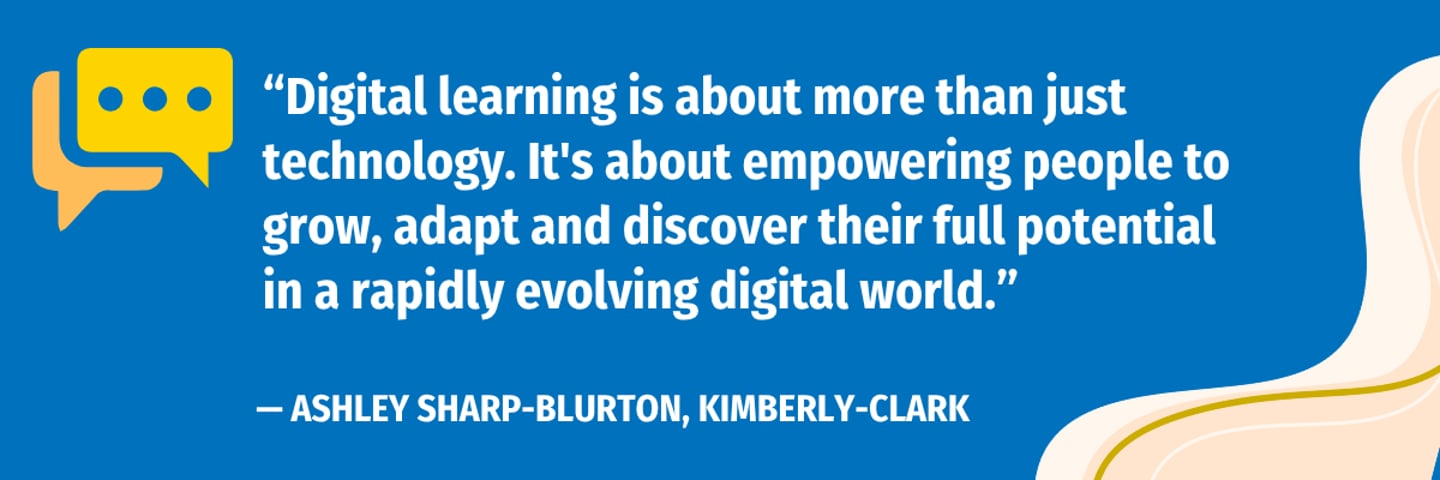
"Digital learning is about more than just technology," Molly Poeschl, director, ESC product management and supply chain digital transformation tells CGT. "It's about empowering people to grow, adapt and discover their full potential in a rapidly evolving digital world.”
And Sarah Haffer, VP, North American supply chain digital transformation, says digital capability isn’t optional; it’s how employees evolve and raise performance.
A Three-Track Approach
In its current phase, the program puts learners in one of three tracks depending on their role's requirements:
- Citizen: For employees who are tasked with using tech products or accessing data.
- Translator: For employees who are tasked with translating business needs into tech requirements and transferring tech knowledge.
- Wizard: For employees who are tasked with building tech products.
Once a learner completes their training, K-C can ask them to retake what it calls Skills IQ, which quantifiably tells the company how they have grown their skills within K-C’s supply chain skills inventory.
This is linked within an objectives section so employees can celebrate their learning as part of their year-end performance while providing the company with ROI of their skills growth, adds Sharp-Blurton.
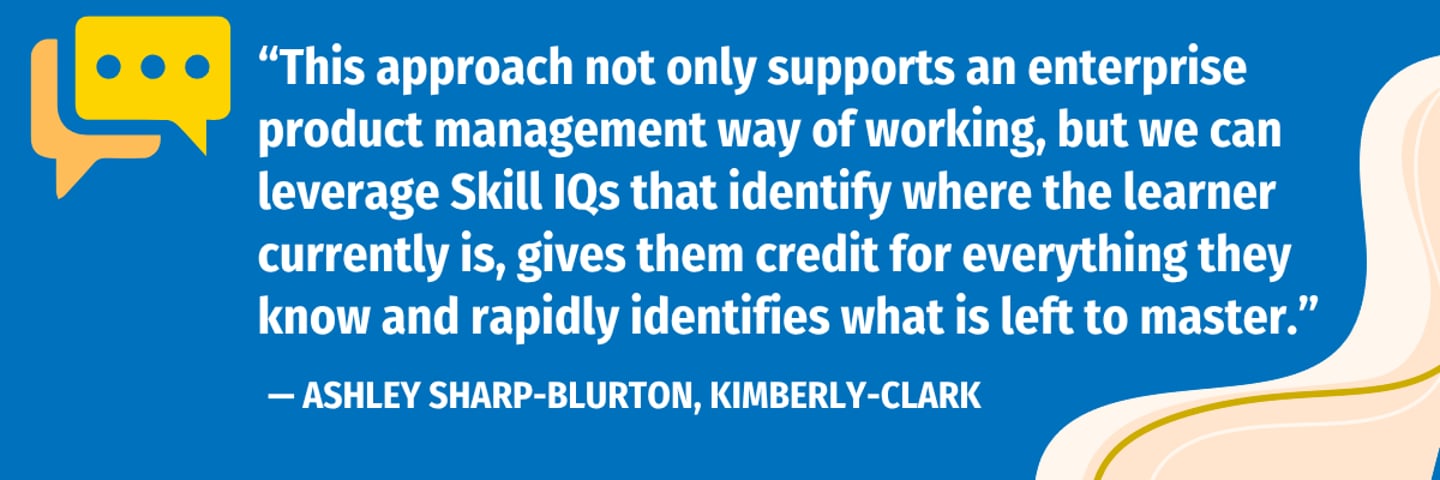
"This approach not only supports an enterprise product management way of working, but we can leverage Skill IQs that identify where the learner currently is, gives them credit for everything they know and rapidly identifies what is left to master," says Sharp-Blurton.
The Benefits of Investing in Training
The company executed a similar program for K-C's digital technology solutions employees, where it saw a 62% growth in skills, as well as 10% of its learners becoming certified in their domains.
Sharp-Blurton says the company has a data and analytics team that is upskilling in Power BI, SQL and Python, and every week they take whatever training is applicable and jump into a team power hour where they apply those learnings to build their dashboards and support one-another while doing it.
"We know the playbook works," she adds. "Now [employees] see training as an accelerator that makes their work easier and more collaborative."