Balenciaga Turns to Automated Merchandising Enabled by Agentic Collaboration

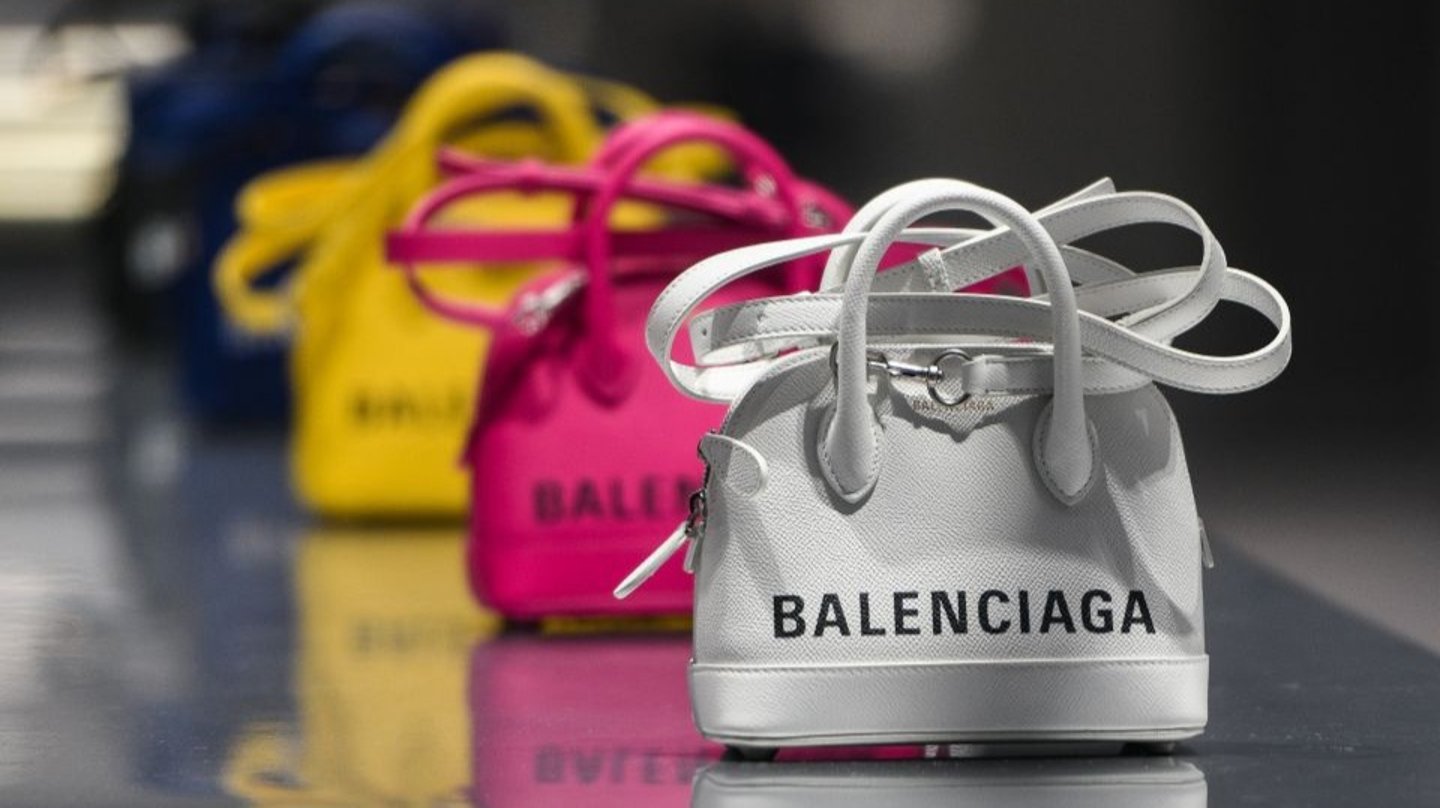
Global luxury brand Balenciaga received an agentic AI lift in its merchandising operations.
The company is working with Intelo.ai, using its AI agents to bolster decision-making within retail execution. The agents work alongside Balenciaga's team to analyze datasets and identify market shifts to make merchandising adjustments in real-time.
Rather than leaning solely on the agentic technology, the company looks to the AI as "digital teammates" that transform Balenciaga's efforts from reactive to proactive and shift high-level strategy tasks and creative direction to humans while AI agents focus on automations.
Also: Levi's to launch "super-agent" as part of enterprise-wide AI push
The agents will autonomously identify and resolve challenges within merchandising and planning with minimal human intervention, providing Balenciaga's team with a holistic, real-time view of its global inventory. Additionally, the agents can respond to local demand signals at an accelerated pace, speeding up decision-making.
Agentic AI on the Investment List for CGs
Agentic models are set to overhaul business operations. Eighty-eight percent said their team or business function plans to increase AI-related budgets in the next 12 months due to agentic AI, according to a May 2025 PwC survey of 300 senior executives.
Use cases include optimizing product information management for the advent of AI search-driven commerce.
For example, Guess is using AI to turn its product data into more templated, structured insights to help drive hyper-personalization through improved discovery and consumer recommendations. Additionally, apparel house of brands Frasers Group is improving how it shows up on search, focusing specifically on AI shopping experiences.
And according to Kaitlynn Sommers, senior director analyst for Gartner, agentic AI is set to transform the supply chain, able to "autonomously complete tasks without relying on explicit inputs or predefined outcomes."
"Agents will continuously learn from real-time data and adapt to evolving conditions and complex demands," she said.