Philip Morris Analyzes Impact of AI on Human Cognition

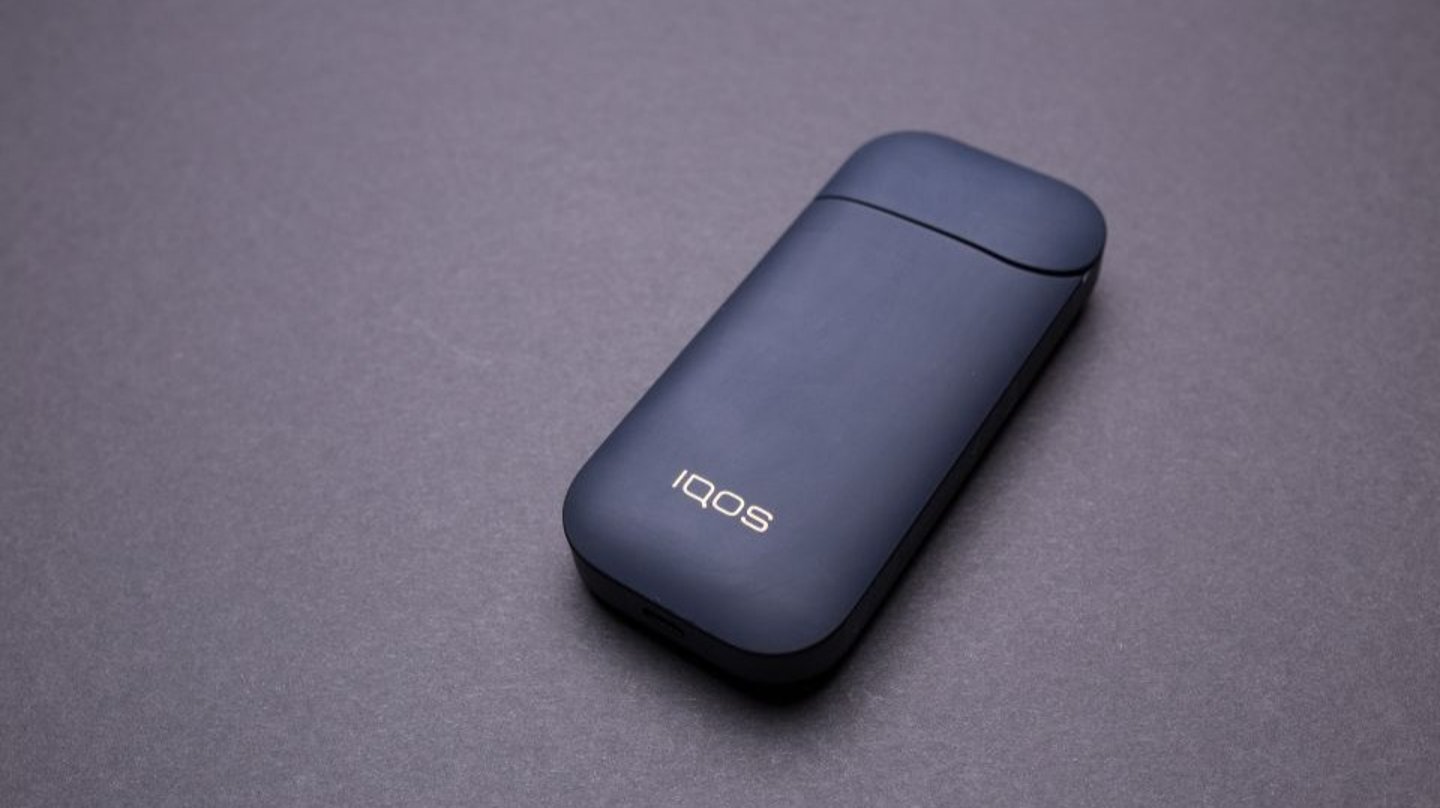
Philip Morris International has leaned on technology to help shift its portfolio to be smoke-free. As part of this effort, it analyzed how human cognition is evolving within AI-led transformations.
In a new white paper from the company, “Human Cognition: The Next Frontier?”, Philip Morris argued that nurturing cognitive capacity will be essential as AI continues to automate routine tasks and augments knowledge work.
“In our strategic shift toward a smoke-free future, we learned that technology helps us move faster — but real progress depends on people," Moira Gilchrist, chief global communications officer, said in a statement. "If we treat cognition like the scarce resource that it is and use AI to enhance — not replace — human strengths, organizations will make better decisions, and society will be more resilient in the AI era."
According to the company, the industry faces several cognitive risks that will determine whether it benefits from AI innovation or is overwhelmed by it.
Cognitive atrophy: Humans traditionally behind the creative process could see their cognitive muscles weaken as they rely more on machines to do the heavy lifting, said Philip Morris.
"As generative AI increasingly automates ideation, drafting and analysis, people risk losing the 'productive struggle' that once strengthened deep thinking, originality and independent judgment," said the company.
Attention erosion: There's already a battle for attention in the digital environment as humans are flooded by notifications, unending social feeds and synthetic content. The company said this will pull people into "shallow processing," which will be detrimental to decision-making, critical reasoning and the ability to engage with complex problems.
Cognitive divide: Cognitive demands will continue to rise, and access to time, focus and advanced learning will become increasingly uneven, creating a "cognitive inequality gap" about who can thrive in an AI world.
Trust challenges: Synthetic media and deepfakes are having humans question what's real and what's not.
"Navigating this landscape requires new habits of verification, lateral reading and digital skepticism — skills that are becoming foundational to civic participation and organizational decision-making," said the company.
Philip Morris is considering these ramifications as it rethinks its entire business model. This has included reskilling its workforce over the past decade and adopting new ways of working with the help of AI, according to the whitepaper.
"The human element has been central to our smoke-free progress, from understanding adult consumer choices to building new capabilities for new domains and investing in continuous learning for our people," said the report. "Now, as we move forward in an increasingly AI-driven world, we recognize that our ability to learn, adapt and lead will depend on how well we equip our people and our organization to meet rising cognitive demands."