CPG’s RGM Pivot: Mastering Omnichannel Complexity

An effective RGM strategy is crucial for cutting through the volatility of today’s complex omnichannel marketplace. The existing complications of data management, cross-functional alignment and customer management have been compounded by the speed and scale of e-commerce growth. The traditional four pillars of RGM — pricing, promotions, assortment and pack sizes — must be dynamically and precisely redefined to optimize across every vehicle, physical and digital.
Kurt Kaiser, senior director at UpClear, shares best practices for overcoming operational complexity through modernized RGM strategies.
CGT: When applying AI and advanced analytics to RGM, what are two or three of the most impactful "what-if" scenarios that CPGs are running today to better inform their price and promotion decisions across online and offline channels?
Kaiser: What we today call “AI” in analytics applicable to RGM — regression, time-series forecasting, causal inference and other models — have been used in CPG for 30 years. The modern twist is that new technology and processing capabilities have exponentially increased automation routines and speed. Three examples of the application of models in RGM are:
- Price elasticity and pack/price architecture simulations that show how retail price moves will affect volume and margin.
- Account scenario planning tests different combinations of discount depth, frequency and mix of promotions in simulations that include pricing, promotions and other cost-to-serve expenses.
- Mix-shift modeling that simulates how changes to investments across brand advertising, retail advertising, e-commerce, traditional trade channels and other drivers affect volume and influence total revenue and profitability.
CGT: Trade promotion and investment remain significant for CPGs, but the rise of retail media and digital shelf analytics adds a new layer. How should CPGs adjust their trade investment strategy to account for these digital channel costs?
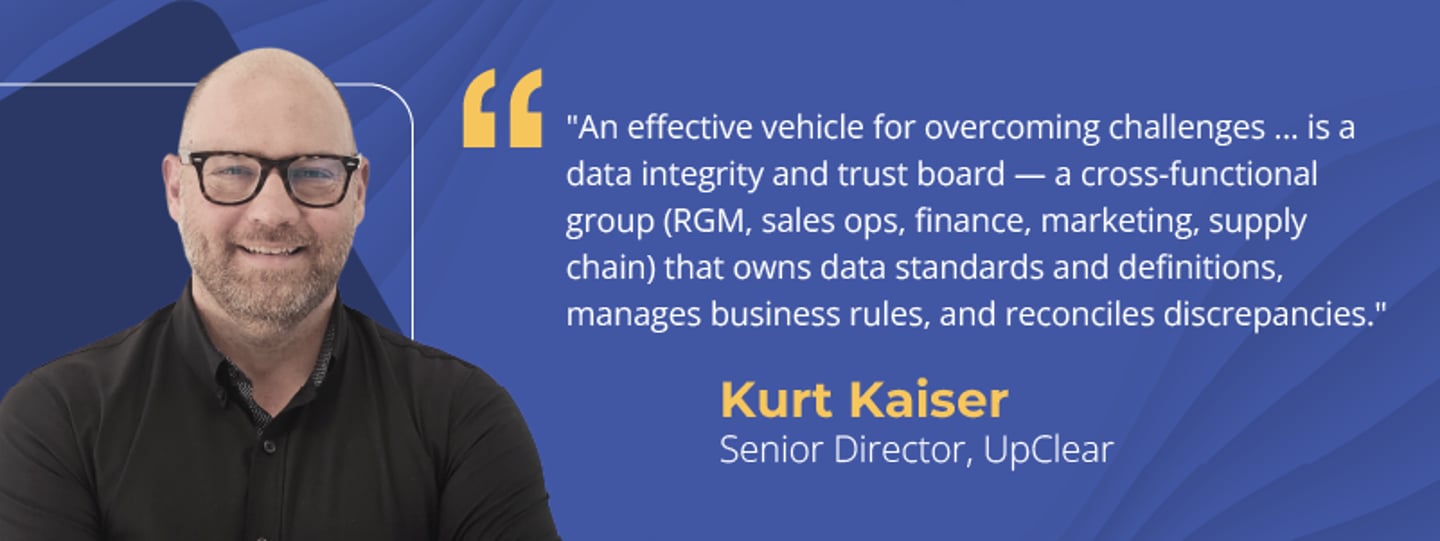
Kaiser: CPGs shouldn’t just adjust their trade investment strategy. They should pivot to recognize the new definition of shopper engagement and customer investment. These shouldn’t be parallel strategies/budgets, but components of a single strategy (and source of funds).
CGT: In the context of a multi-layered, omnichannel RGM strategy, what are the primary challenges CPG companies face when trying to build a single, accurate view of revenue performance?
Kaiser: One version of the truth is difficult to produce because data is fragmented with different internal systems and many sources of external data. Each layer — pricing, promotions, shopper marketing, e-commerce and supply chain — produces data in different formats with varying definitions and delivers it at different cadences. Retailer POS often conflicts with syndicated or digital commerce data, clouding what the actual number is.
Distributor-to-retailer shipments add another layer of complexity. Customer promotions and costs-to-serve are often planned and tracked separately and lack common guardrails. Finally, organizational silos continue to persist: sales, finance, RGM and demand planning frequently operate with different KPIs and versions of the truth.
This results in slow, manual data harmonization and limited confidence in data.
CGT: Where does the ultimate ownership of an omnichannel RGM strategy typically reside, and how do teams avoid internal conflict when optimizing pricing and trade investment across different channels?
Kaiser: Ownership of RGM strategy varies by company size and maturity. Large, established manufacturers typically centralize RGM within a dedicated RGM function that sets enterprise-wide pricing and investment guardrails. Mid-market and emerging brands often distribute RGM responsibilities across sales, finance and marketing because teams are lean and processes are still evolving. In early-stage companies, founders or sales leaders may effectively “own” RGM until scale requires a formal structure. To avoid conflict across channels, CPG teams need shared KPIs, common definitions and transparent decision processes.
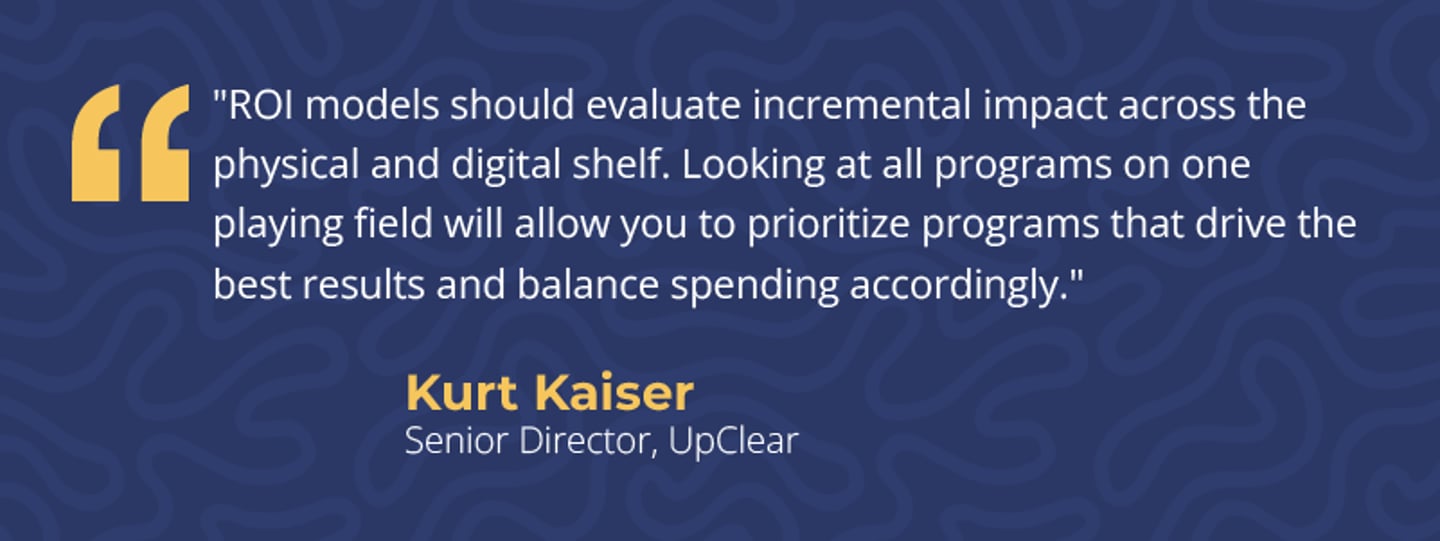
For this to work, however, the aforementioned single, unified view of performance is critical. An effective vehicle for overcoming the challenges we’ve already identified is a data integrity and trust board — a cross-functional group (RGM, sales ops, finance, marketing, supply chain) that owns data standards and definitions, manages business rules, and reconciles discrepancies. Most importantly, this board prioritizes and manages data work across functions. If you want one enterprise view of data, then you need to define it, prioritize work and manage it as an enterprise initiative.