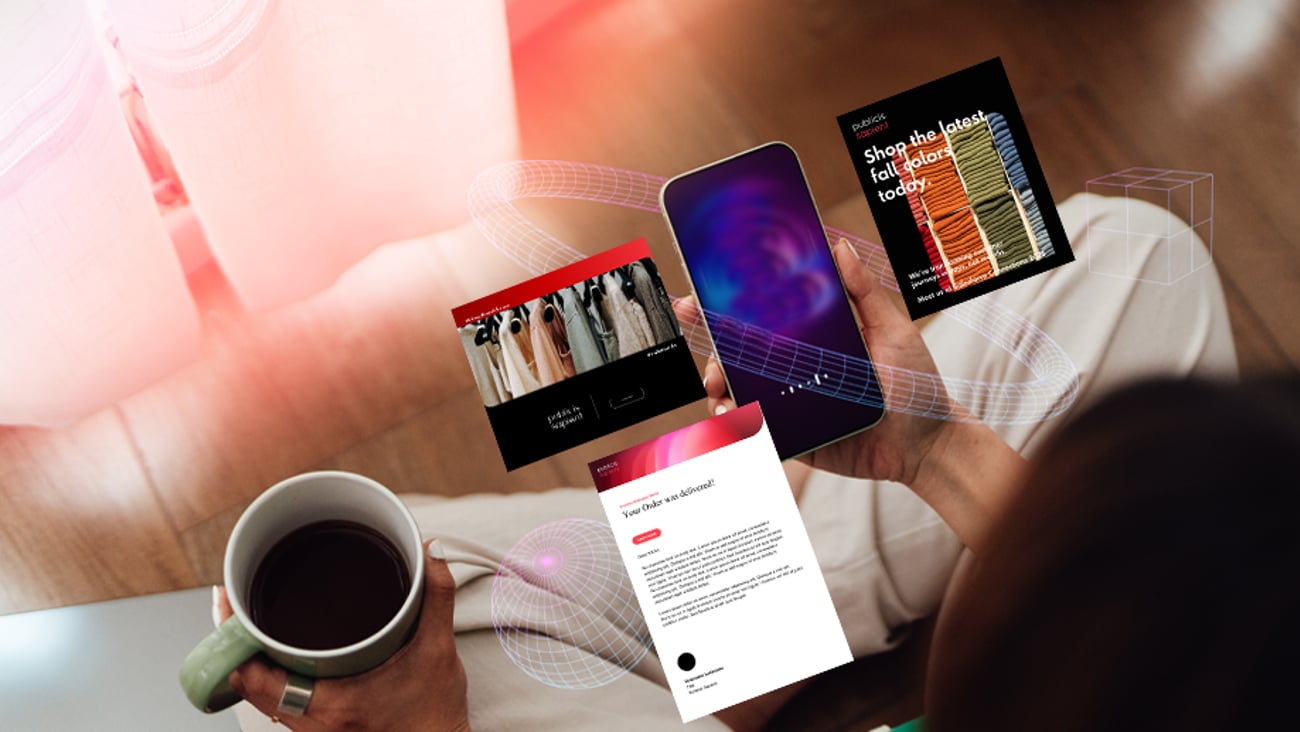

From Trend to Activation: Agentic Systems Collapse the Timeline
A strange asymmetry defines modern marketing. Culture now moves at the speed of a swipe; corporations move at the speed of a meeting. TikTok births a micro-trend in the morning, Reddit amplifies it by lunch, Pinterest moodboards it by nightfall—yet the brands that depend most on cultural relevance often discover these shifts long after they’ve peaked. In the world of consumer packaged goods, where margins are tight and attention is fickle, that delay is fatal.
A new model is quietly emerging to solve this problem. It doesn’t begin with a big idea, a seasonal brief, or an annual brand calendar. It begins with the pulse of culture itself—a constant stream of signals that can be captured, interpreted, and transformed into action long before competitors even recognize what happened. And, improbably, it is artificial intelligence that is supplying the missing speed.
At Publicis Sapient, in collaboration with Google Cloud, we have been building an agentic system that ingests cultural trends, interprets their relevance, drafts campaign briefs, generates creative assets, and pushes them into market across digital and retail channels—all in the time it once took to set up a project kickoff call. We have partnered with Google to enable GenAI and agentic accelerators to help you quickly modernize your infrastructure to support trendspotting.
The idea is not to automate marketing. It is far more ambitious: to synchronize it with culture.
The Collapse of the Traditional Creative Timeline: For decades, CPG marketing has been defined by an orderly calendar. Insights are gathered. Briefs are written. Creative is crafted, approved and distributed. The ritual is slow, structured, and utterly incompatible with the pace of contemporary culture. When a flavor trend, beauty craze or aesthetics wave catches fire, the brands best positioned to capitalize are rarely the ones equipped to respond.
What generative AI introduces is not speed for its own sake but a collapse of the boundaries between insight, creativity, and activation. Trends are no longer just noise; they are raw material. With agents ingesting and decisioning signals from TikTok, Reddit, Meta, Pinterest, and Google Search, the system swallows culture as it forms. An agentic model evaluates whether a trend is relevant for a snack brand, a hair-care line, or a convenience retailer. If it is, the system doesn’t wait for a strategist. It writes the brief.
The brief reads like something a human would produce—context, opportunity, audience, tone, risks, creative directions. But nothing about it is final. This is where the human returns. A strategist sharpens the intent. A creative director edits the story. A marketer adjusts the audience logic. The machine is not replacing the creative department; it is eliminating the dead air between their moments of influence.
Creativity at Machine Tempo: Once the brief takes shape, the entire creative apparatus wakes up. Imagen, Google’s generative image engine, produces visual riffs that fit the brand’s tone but reflect the emergent cultural pattern. GenMedia tools generate motion, sound, variations sized for every relevant surface: a horizontal banner, a phone screen, a retail kiosk, the glowing panel beside a fuel pump at 2 a.m. The work appears fast—unnervingly fast—but only becomes final once creative teams intervene.
This is the point many observers misunderstand. Generative AI does not replace the creative act any more than a camera replaced painting. It changes the tempo. It eliminates the drudgery of resizing, versioning, and templating. It frees human imagination for the part of the craft that cannot be automated: judgment.
The Omnichannel Moment: When the creative is ready, activation begins immediately. A brand could move from a Monday-morning TikTok wave to Tuesday-morning paid media on Meta, retail media placements on Kroger Precision Marketing, personalized modules on its website, and an email campaign for loyalty members by the afternoon. The same trend that animates the public suddenly animates the brand.
Behind the scenes, an agentic system coordinates the channels. It understands who the audience is, where they are, and which creative variant is most likely to resonate. If a logged-in customer happens to fit the profile surfaced by the trend model, the site changes for them in an instant. This is not personalization as marketers once imagined it; it is personalization woven into culture’s real-time fabric.
The Hard Economics of Transformation: The economic impact is not theoretical. In one recent program, the introduction of GenAI into the content supply chain reduced certain creative costs by nearly half and cut production times by 75 percent. Millions of dollars in annual savings flowed back into expanded creative volume, experimentation, and personalization. Far from reducing headcount, the system became an amplifier—multiplying the impact of the same creative and marketing teams.
Which raises the more fundamental question: if creativity becomes this fast, what becomes of the marketing calendar itself? The idea of a brand waiting for a quarter to respond to culture will seem increasingly archaic. CPG companies that built their empires on scale must now build agility at similar magnitude.
The Next Quiet Revolution: A parallel change is already emerging in the media world. New agentic protocols like Ad Context Protocol (AdCP) propose a future in which ad-buying agents negotiate directly with ad-selling agents, comparing inventory, pricing, and audience fit in real time.
Most large platforms are not yet aligned to these standards, but the trajectory is unmistakable. The enterprise agent that detects a trend may one day be the same agent that buys the media to capitalize on it.
The marketing ecosystem will not merely automate; it will converse.
A Shift in the Center of Gravity: This signal is a profound shift in how brands operate. The center of gravity moves from the internal rhythms of the organization to the external rhythms of culture. Strategy, creative, and activation no longer behave as separate departments. They become movements in a single, continuous loop. This is not the death of creativity. It is its liberation.
When the machinery of marketing becomes instantaneous, cultural, and adaptive, the creative act becomes more valuable—not less. It becomes the decisive difference between a brand that merely reacts and one that shapes the conversation. The CPG companies that embrace this model will not simply move faster. They will feel contemporary again. They will become participants in culture rather than distant commentators on it.
The ones that hesitate may one day discover the most painful truth of the modern marketplace: in an age when culture moves at the speed of a swipe, irrelevance moves just as fast.
To learn more about Publicis Sapient, contact us here.