L’Oreal Is Using Gen AI To Boost Product Personalization

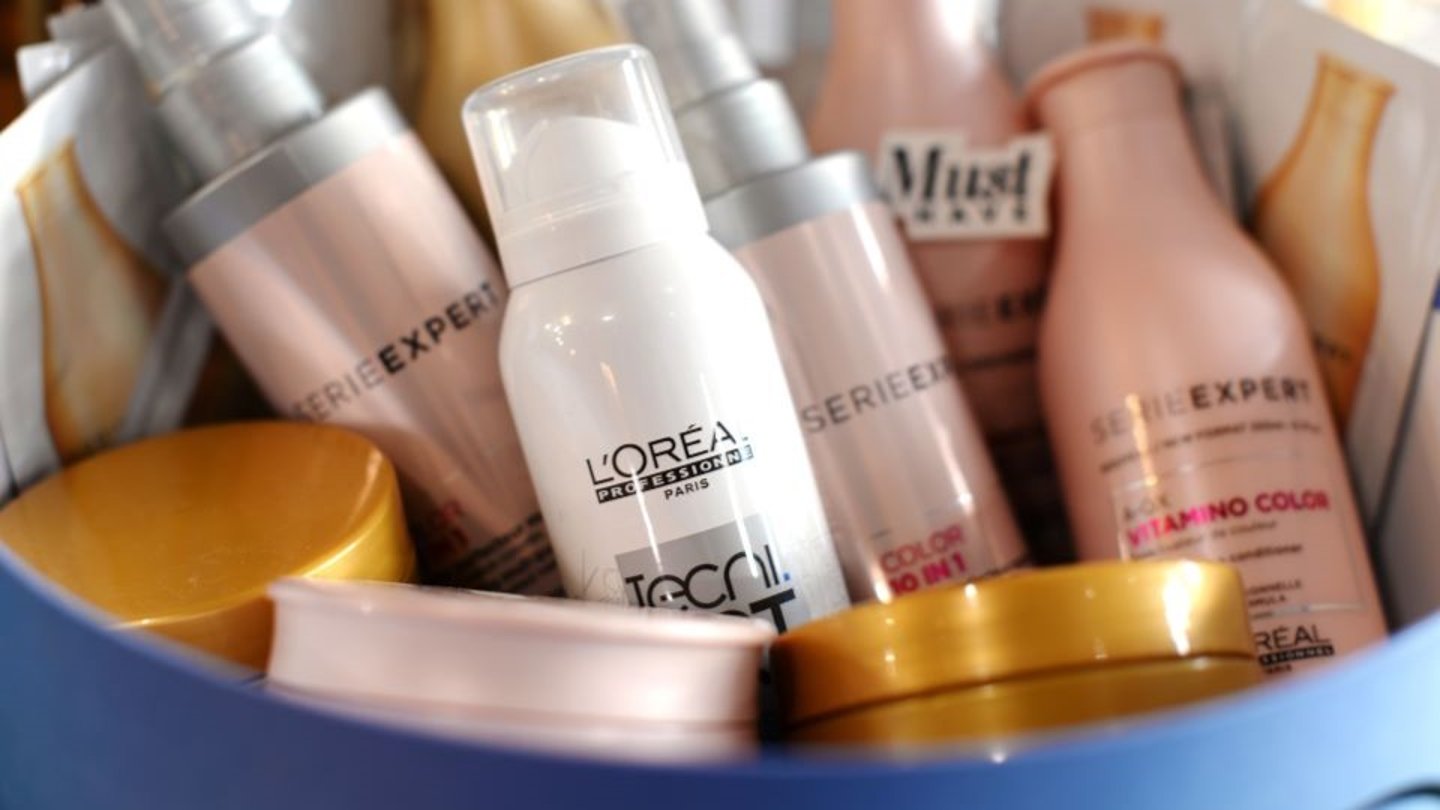
L’Oreal is using generative artificial intelligence to help its global team of 4,000 researchers develop new products and reformulate existing ones.
The effort is a result of a partnership between the company and IBM, which L'Oréal research and innovation chief transformation and digital officer Matthieu Cassier said builds on years of beauty science expertise and data structuring to open a new era in its innovation and development process.
Also read: L'Oreal Driving Content and R&D Personalization Via Gen AI Lab
The company will gain access to AI models that are being used to power discoveries in chemistry and will train on L’Oreal’s formulas with the goal of improving customer satisfaction by developing more personalized products.
L’Oreal seeks to use AI to redesign its formula discovery process over the next several years, using the technology to test how renewable ingredients work and optimize production scale-up. The collaboration will help reduce waste and allow the company to meet its goal of using mostly recycled or renewable products by 2030.
"As part of our digital transformation program, this partnership will extend the speed and scale of our innovation and reformulation pipeline, with products always reaching higher standards of inclusivity, sustainability, and personalization," said Stéphane Ortiz, head of innovation métiers and product development at L'Oréal research and innovation, in a statement.
AI-Powered Personalization
Personalization has been a major focus for L’Oreal, which this month also unveiled a partnership with Korean startup NanoEnTek to produce a device that can provide a customized skin analysis in five minutes, offering advice on how certain ingredients will work for a consumer’s needs and proactive steps to correct likely issues such as dark spots and enlarged pores. The technology will debut in Asia later this year.
“With the Cell BioPrint device, we offer people the ability to discover deeper insights about their skin through specific biomarkers and to proactively address the beauty and longevity of their skin,” Barbara Lavernos, L'Oréal Group deputy CEO in charge of research, innovation, and technology, said in a statement.