Loyalty Marketing

  • Manufacturing Growth: Top 5 Trends for CPGs in 2016

    From growth in omnichannel retailing to a relentless focus on cost efficiency, consumer packaged goods companies (CPGs) should expect big changes in 2016. Find out the five key trends CPGs should expect in 2016.
  • Starbucks to Invest $275M in Partners and Digital

    Starbucks will double its digital investment in 2016. Find out what four key digital initiatives the global giant has planned and how its digitally focused strategy will redefine the customer experience.
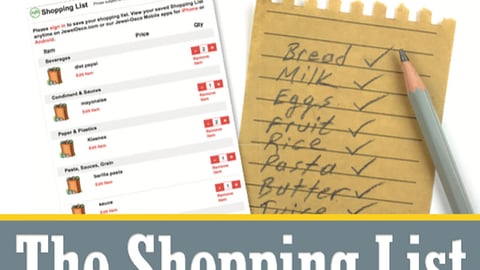
  • The Shopping List

    CPG experts weigh in on whether the shopping list is still king for food shoppers and marketers, and the answer is yes – sort of.

  • Ahold USA Meets Its 'Best Customer'

    Recognizing weak identical-store sales and a growing competition in the Northeast, Ahold USA turned to Copernicus Marketing Consulting & Research in December of 2014 to launch a market-based segmentation project. 

  • How Zero-Based Budgeting Can Transform Consumer Trade Promotions

    Zero-based budgeting is lately all the rage in consumer goods. Instead of assuming every departments budget should be exactly the same as it was last period plus or minus some incremental adjustments, the default assumption is that each department should budget for everything that they invest in from a zero base.One example of where this philosophy should be applied is in trade promotions.
  • 2015 SMB Market Award Winner

    CGT honors Lactalis American Group, Inc. for using technology to encourage trials and drive sales via couponing opportunities, and serving ads to consumers who are browsing within a digital grocery environment.
  • EU Consumer Rights Directive is in Effect

    E-commerce is the fastest growing retail market in Europe, despite the majority of online trade being limited to within each states own borders. Here, Matt Duncombe, partner at DLA Piper, explains how the EU Consumer Rights Directive (coming up on its 1 year anniversary) offers protection to consumers buying across borders and guidance to global retailers in managing their online sales. Specifically, Duncombe highlights nine aspects of the directive and discusses what they mean for online retailers.
  • Marketing on a Shoestring

    The TerraCycle business model was born from the idea that if you could find a way to make high-quality affordable consumer products from waste, you could create a business with two revenue streams. In other words,get paid to collect material, and get paid for the resulting product or recycled commodity you create from that material. With its business model in tact, but no ability to spend money on paid advertising, TerraCycle had to approach marketing in a unique way since the very early days. In this month's cover story, TerraCycle divulges its recipe for marketing success without a budget.
X
This ad will auto-close in 10 seconds