How CPGs Like Kellanova Scale Shelf Intelligence From Regional Pilots to National Rollouts

The battle for shoppers’ attention starts even before they reach the shelf. As retailers and brands race to connect digital insights with real-world execution, shelf intelligence has emerged as a powerful tool to bridge the gap.
These technologies promise not only to prevent out-of-stocks but to transform shelves into responsive, data-driven touchpoints that reflect how shoppers truly behave. Brands and retailers can gain insights that allow them to better tailor their assortment, pricing and planogram to suit the needs of their shoppers, who in turn are less likely to be disappointed by out-of-stock products.
Yet for all their potential, shelf intelligence systems can be challenging to scale. Moving from a promising pilot to an enterprise-wide capability requires more than technology — it demands cultural change, organizational alignment and trust in the data itself.
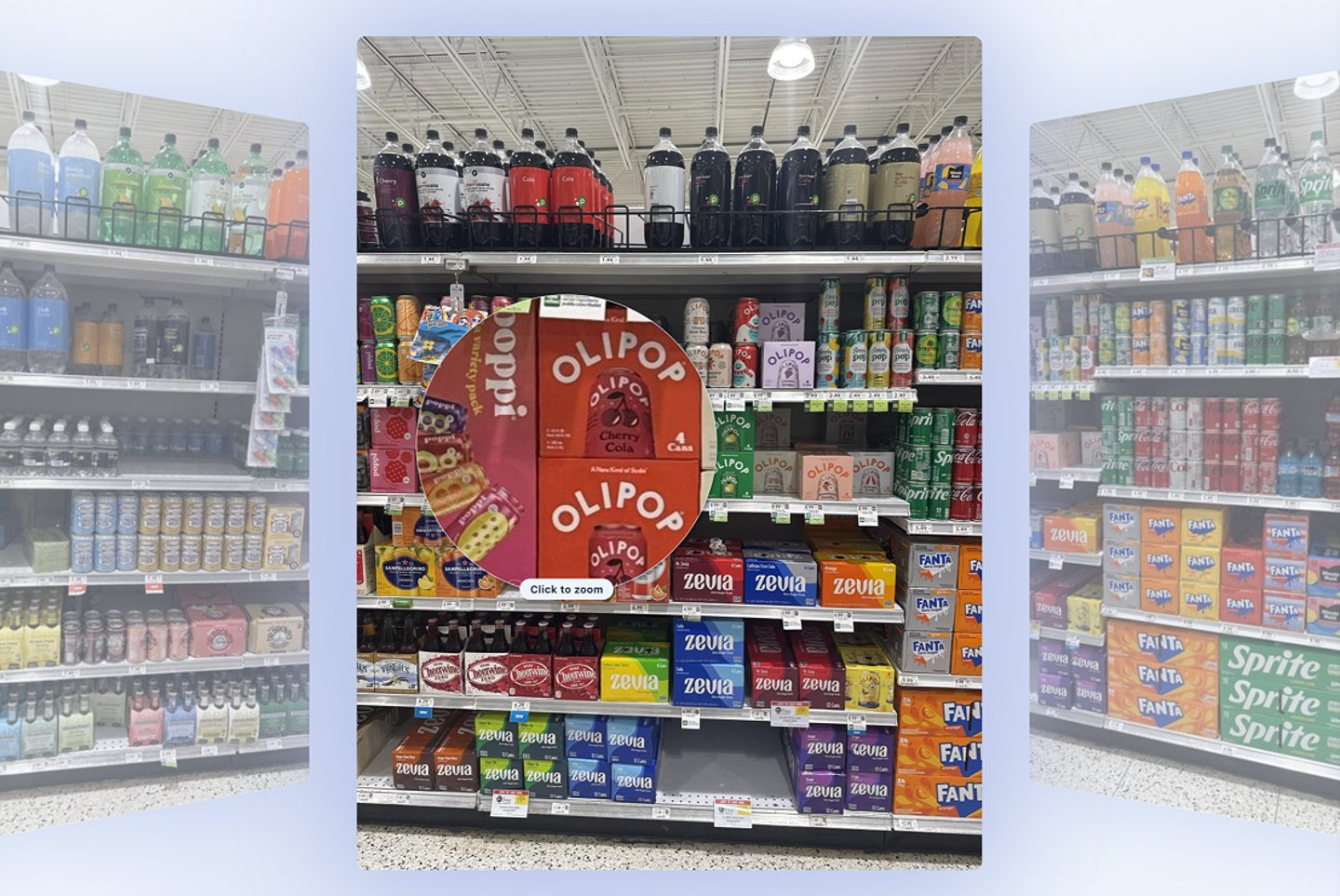
Ty Kasperbauer, CEO of retail intelligence provider Storesight, said brands are using shelf intelligence data for new product launches, market research and inventory issues. While the potential is vast, the complexity of installing and utilizing the technology makes the transition from regional pilot to full-scale national rollout difficult.
“Pilots rely on champions. Scaling requires change management, training and leadership alignment across functions, and embedding the capability into business operations,” said Meera Patel, Kellanova senior director, global commercial advance analytics. “Teams have to trust the output enough to make real decisions from them. This takes time, proof and communication.”
Organizations have to commit to training their employees to embed analytics into their day-to-day work and strengthening their cross-functional coordination in order to ensure that the data shelf intelligence provided can be used well.
“If a product sells out in store, but the media team continues bidding on that SKU online, everyone loses,” Patel said. “The shopper can’t find the item, the retailer loses sales, and the manufacturer wastes spend.
"Scaling shelf intelligence isn’t about smarter data; it’s about coordinated decisions," she stressed. "When every function works from the same shelf signal, pilots stop being experiments and start becoming an enterprise muscle.”
Pilot Obstacles
The data gained from a pilot has limited utility until it is scaled throughout the enterprise.
“When shelf intelligence stays siloed, insights get trapped — and value stalls before it ever reaches the customer,” said Heather Campain, Epsilon vice president, growth strategy. “True impact comes when intelligence connects marketing, merchandising and operations through a first-party data and identity foundation, allowing every shelf and shopper interaction to inform the next smarter decision both in-store and online.”
Siloed data can also lead to duplicated investments, while a larger rollout forces organizations to unify their decision-making processes. While the required level of integration may be a challenge for larger organizations, Patel says it has strengthened Kellanova’s position as a category leader, enabling more strategic retailer partnerships and data-driven joint business planning.
“Pricing and promotion move from static analysis to dynamic adjustments reflective of shopper behavior and competitive context,” Patel said. “Planograms become a bridge between the dynamic digital shelf and the fixed in-store environment, allowing us to use real-time insights to influence future resets, refine adjacencies, and prioritize space where performance and shopper behavior signal the greatest return.”
Scaling requires building infrastructure to clean data in a privacy safe location and then integrate it into a system where it can be used to inform displays, media bids, shelf priorities and pricing.
“As shelf intelligence expands, the challenge isn’t getting more data — it’s aligning the right signals around a shared identity and a common language,” Campain said. “Retail ecosystems mix legacy, first-party and partner data, and when those connect securely through interoperable systems, retailers can measure, predict and optimize performance with confidence at scale.”
Complexity grows significantly as shelf intelligence rollouts expand, with extensive data science and engineering work required to integrate the taxonomies, promotional calendars, assortment and data refresh cadence used by different retailers and digital platforms. But scaling that data integration can give companies a new way to drive growth.
“At Kellanova, we are building a shared data layer so that shelf intelligence, display and digital shelf data all operate off the same ecosystem, creating a single source of truth,” Patel said. “When connected seamlessly, decisions can be coordinated across key elements of the shelf. This will allow us to see how an in-store display drove online search lift, or how a bid change on a retailer site impacted shelf productivity and availability.”
Once that’s done, companies can really prove the value of the technology.
“When shelf intelligence scales, decisions stop being reactive — data starts to guide what goes where and why in real time,” Campain said. “With an identity-based understanding of shoppers and stores, pricing and assortment become proactive and personalized, helping retailers balance margin precision with better customer experiences across every touchpoint.”
Artificial intelligence significantly improves an organization’s ability to utilize data, and organizations should be working to implement AI and shelf intelligence solutions side by side.
"AI provides superpowers for analytics and insight,” Kasperbauer said. “CPG teams leaning in with an AI-first mentality will set a whole new bar. The gap between those who adopt successfully and those who don't will get wider.”
Many companies are eager to integrate AI into their organizations but have struggled to find use cases where they can point to clear ROI to assure stakeholders it’s worth the investment. Combining AI and shelf intelligence can be an ideal way to maximize impact of the new technologies and a shift in company culture.
“It's crucial to remember that AI is a tool,” Kasperbauer noted. “A tool that doesn't drive a proven business process will have limited value. You need to connect AI applications step-by-step into a business process like category management to achieve its full potential."
The Power and Potential of Local
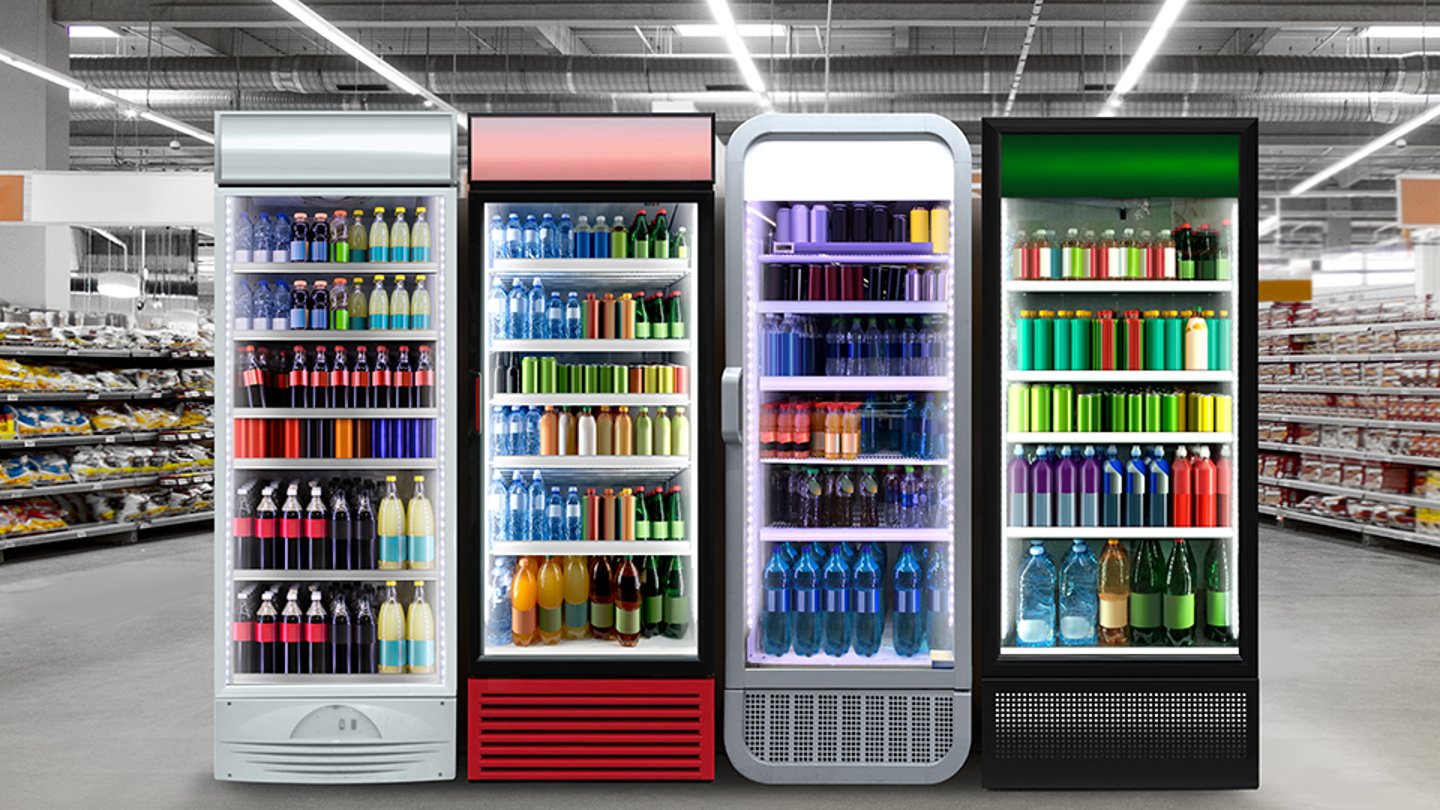
The mix of machine learning and shelf data is allowing Kellanova to localize its approach to retail execution. Rather than relying on a one-size-fits-all model, the company can tailor assortment based on local factors like trip missions, price elasticity and flavor preferences. The models tell the company where it can standardize for efficiency, and where to localize for growth, allowing personalization at scale.
“Data doesn’t eliminate local nuance — it empowers it,” Campain said. “With the right first-party identity foundation, retailers can flex locally while staying nationally consistent, aligning assortment and experience with the actual people each store serves. It’s about creating one connected view of the shopper while honoring the individuality of every community.”
Patel predicts the next breakthrough will come from AI agents that can act as brand ambassadors, connecting insights from supply chain, e-commerce and shopper data to make decisions that currently require a high level of resources and coordination. These innovations will be especially useful for smaller stores, where assortment choices are the most challenging.
“Predictive models and AI agents will analyze sales, velocity, seasonality and local demand to surface the highest impact assortment mix to earn its place on the limited shelf space,” Patel said. “The outcome is leaner, more productive shelves that provide a shopper-first assortment."
These agents will be able to reorder inventory to prevent out-of-stocks, dynamically reallocate trade and media spend to maximize conversion potential, and analyze consumer sentiment to localize packaging.
“For brands, this drives efficiency and creative freedom and allows humans to focus on strategy, empathy and brand storytelling,” Patel said. “The real shift isn’t just optimizing the business, but redefining how brands learn, act and grow with the speed of the consumer.”
This was originally published on P2PI, a CGT sister publication.