GE Appliances Elevates Contextual Commerce with Dynamic CPG Discoverability

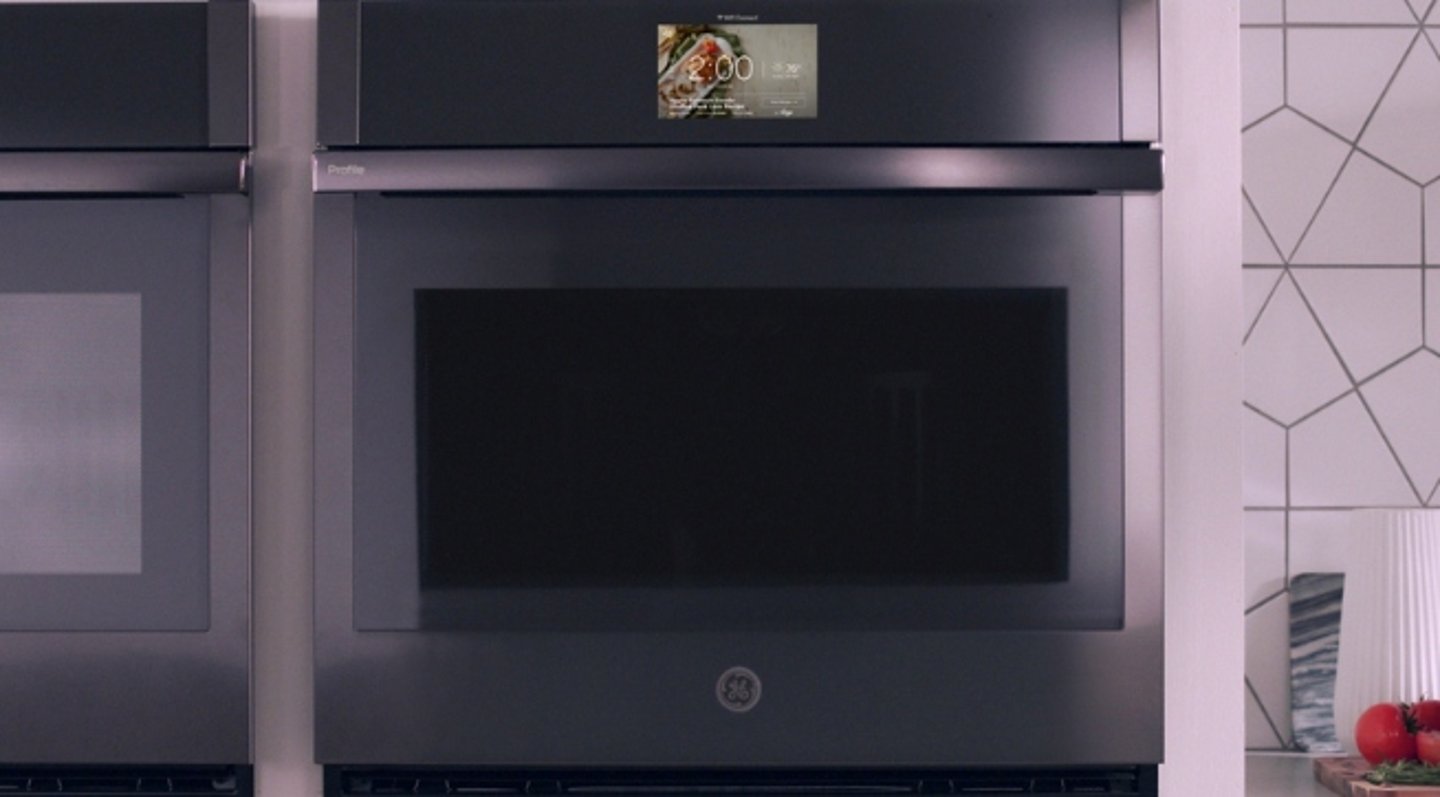
GE Appliances is bringing CPG discoverability to its products in partnership with Kroger. The new feature will tap into smart appliances to offer users recipe inspiration while cooking.
With the new features, over 150,000 users of GE appliances will now be able to choose and see recipes on LED screens directly from their WiFi-connected wall ovens and slide-in ranges. Select GE appliances with touchscreens will display rotating recipes from Kroger and other CPG brands like King Arthur Baking. Users can add ingredients to their Kroger cart with a click and link their account by scanning a QR code the first time they use the feature.
- See Also: Traeger Grills Fires Up Generative AI Customer Service With Early Adoption of New Capabilities
“By bringing inspiration to people’s fingertips, we aim to expand their cooking confidence, help reduce food waste, and create a seamless cooking journey,” said Shawn Stover, VP of SmartHome and energy solutions at GE Appliances in a statement.
The recipe feature, integrated with the ability to order recipe ingredients for either delivery or pickup from Kroger stores, is part of GEA’s generative AI feature within its SmartHQ consumer app.
The cloud-hosted feature – Flavorly AI – lets users generate custom recipes based on food already in their kitchen. Consumers can select the recipe category and type of cuisine, and input available ingredients or dietary preferences. They then receive personalized recipes with ingredients, instructions, and photos. The SmartHQ Assistant, a conversational AI interface, also answers questions about using and caring for connected kitchen appliances.
Decoding Contextual Commerce
The use of artificial intelligence in product recommendations isn’t new but has been supercharged by the advent of generative AI and the tools it fuels. GNC, for example, recently rolled out a data-driven predictive analytics strategy to increase personalization to target individual trends through product recommendations across its membership base, while Williams-Sonoma recently invested in AI-powered personalization to tap into consumer behaviors and tailor marketing language.
Grocers are looking at online ordering as a key business driver, but have a distinct set of considerations on their hands. According to sister brands RIS News and Progressive Grocers’ 2023 Grocery Tech Trends Study, online grocery ordering was listed by retailers as the number one growth driver in the next 12-18 months.
However, as many consumers still say they’re happiest when able to pick out products themselves, in stores (72%), the onus is on grocers to provide contextual commerce experiences, in which shopping opportunities are seamlessly integrated into the consumers' everyday lives – for example, when they’re working out, riding in an Uber, or, in the case of GE and Kroger, staring at the fridge and wondering what to make for dinner.
In addition to offering “superior craftsmanship,” GE Appliances said they expect the new implementation to “foster an ever-expanding ecosystem of partnerships committed to enhancing life at home.”